Table of Contents
What is Sangue di Giuda dell’Oltrepò Pavese?
Sangue di Giuda dell’Oltrepò Pavese is one of Italy’s most intriguing dessert wines—deep ruby, gently effervescent, and sweet without being cloying. Its name, “Blood of Judas,” is as mysterious as its origins, and it comes from Lombardy’s Oltrepò Pavese, an area celebrated for its diverse wine styles. Produced primarily from native red grapes like Croatina, Barbera, and Uva Rara, this DOC wine is often enjoyed alongside festive meals, pastries, and cheeses.
History and Origins
Legend has it that Judas, condemned for his betrayal, was forgiven by Jesus and granted the gift of making a wine that would bring joy rather than sorrow—hence the name “Sangue di Giuda.” While the tale may be apocryphal, it reflects the wine’s place in local storytelling. Historically, Oltrepò Pavese was part of Lombardy’s agricultural heartland, with winemaking traditions stretching back to Roman times. Sweet sparkling reds rose in popularity in the 20th century, appealing both to locals and to visitors seeking approachable, aromatic wines.
Where It’s Made: Geography & Terroir
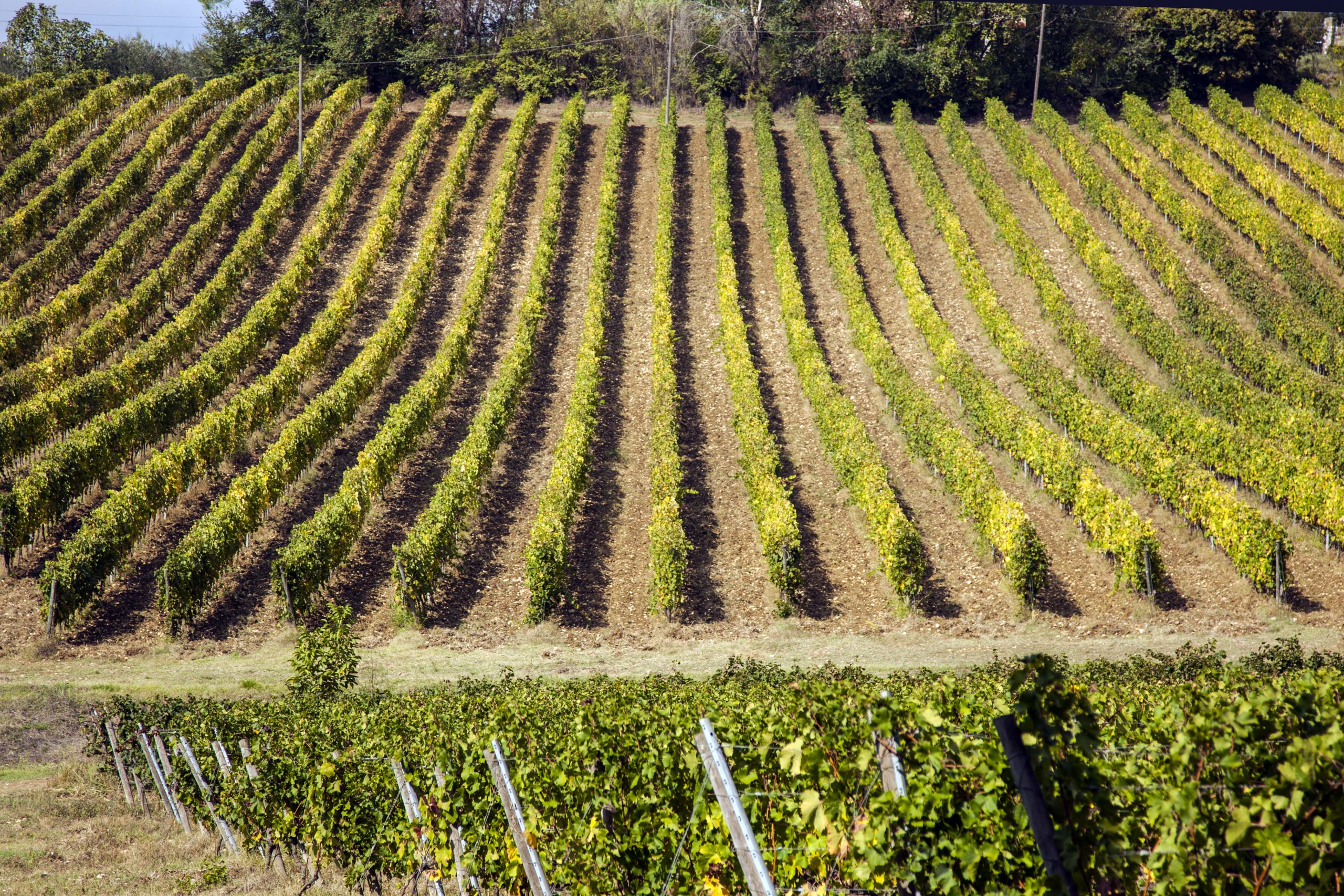
The Oltrepò Pavese sits in Lombardy’s southwestern corner, bordered by Piedmont, Emilia-Romagna, and Liguria. The rolling hills, ranging from 200–400 meters above sea level, are bathed in a temperate continental climate with cooling breezes from the Ligurian Apennines. Soils here are predominantly clay-limestone, offering excellent drainage while retaining enough moisture to keep vines healthy through dry spells. This combination results in grapes with balanced acidity, vibrant fruit flavors, and natural aromatic intensity.
The Grape Blend
The DOC regulations require Sangue di Giuda to be made from:
- Croatina (25–65%) – for color, structure, and dark fruit flavors
- Barbera (25–65%) – for bright acidity and red fruit notes
- Uva Rara (also known as Bonarda, up to 45%) – for aromatic lift and softness
Together, these varieties produce a wine that is sweet yet lively, with a fine mousse and a mix of red berry and floral aromas.
Winemaking & DOC Regulations
Sangue di Giuda dell’Oltrepò Pavese DOC wines are typically made via the Charmat (tank) method, preserving the fresh fruit and floral notes. DOC rules stipulate:
- Minimum 7% alcohol by volume
- Residual sugar to maintain a sweet profile
- Gentle natural or induced sparkle (frizzante or spumante styles)
- Grapes must come from designated Oltrepò Pavese vineyards
The Charmat process ensures the wine retains its playful fizz, while the sweetness is balanced by bright acidity—a hallmark of well-made examples.
Key Facts at a Glance
| Attribute | Detail |
| Wine Type | Sweet sparkling red (Frizzante or Spumante) |
| Region | Oltrepò Pavese, Lombardy, Italy |
| Grapes | Croatina, Barbera, Uva Rara |
| Alcohol | ~7–8.5% ABV |
| Serving Temp | 8–10°C (46–50°F) |
| Best Enjoyed | Young, within 1–2 years of vintage |
Tasting Notes
- Appearance: Deep ruby red with purple highlights and a fine, lively mousse.
- Aroma: Fresh strawberries, cherries, violets, and hints of wild herbs.
- Palate: Sweet red berry flavors balanced by crisp acidity; light-bodied with gentle bubbles.
- Finish: Smooth, fruity, and refreshing—ideal for both casual sipping and dessert pairing.
Serving & Pairing
Sangue di Giuda is versatile at the table:
- With Food: Pairs beautifully with cured meats, gorgonzola, spicy salami, or rich pasta dishes.
- With Desserts: Excellent with panettone, berry tarts, and chocolate mousse.
- Occasions: Aperitivo gatherings, holiday meals, and summer garden parties.
Serve well-chilled to highlight its freshness and sparkle.
Where to Buy & Pricing
Sangue di Giuda dell’Oltrepò Pavese is available from specialty wine shops, Italian importers, and online retailers such as Wine-Searcher, Eataly, and Vivino. Prices generally range from €8–€15 per bottle, offering excellent value for an artisanal DOC wine.
FAQ on Sangue di Giuda dell’Oltrepò Pavese
Is Sangue di Giuda a Lambrusco?
No. While it shares similarities with sweet sparkling Lambrusco, Sangue di Giuda comes from Lombardy and uses a different grape blend.
How sweet is Sangue di Giuda?
It is noticeably sweet but balanced by acidity, making it fresh rather than syrupy.
Can I age it?
It’s best enjoyed young, within two years of the vintage.
What does “Sangue di Giuda” mean?
It translates to “Blood of Judas,” a name rooted in local legend.
Fun Facts & Cultural Notes
- Sangue di Giuda is a favorite at Lombardy’s fall food festivals, often poured alongside roasted chestnuts and local cheeses.
- The DOC’s name alone often sparks conversation—making it a great dinner party wine.
- The wine’s natural sweetness and lower alcohol make it approachable for those new to red wines.
Have you ever tried Sangue di Giuda dell’Oltrepò Pavese? Share your tasting notes or favorite food pairings with us at Drink Italian—and join our community of global wine explorers celebrating the culture, history, and flavors of Italy.
Have fun to learn more about Italian Wines and Spirits! Explore also the non-alcoholic beverages
Send us an email if you want to suggest edits, or if you are looking for more info, at
cheers@drinkitalian.com
If you are in the mood for a good book, you can try:
– The Modern History of Italian Wine by Walter Filipputti
– Hidden Gems of Italy: An Insider’s Secret Formula To Find Top-Class Italian Wines At Value Prices And Taste La Dolce Vita by Tony Margiotta
Additionally, you can discover the other wines from Lombardy.