Table of Contents
What is Piave DOC?
Nestled in the fertile plains of Veneto, just inland from Venice and Treviso, Piave DOC is one of Italy’s most versatile wine regions. Covering both native grapes like Raboso and modern international varieties, Piave produces everything from crisp whites to bold, age-worthy reds. For travelers seeking an authentic Venetian wine experience beyond Prosecco, Piave offers a window into the region’s lesser-known but deeply traditional viticulture.
History and Origins
The Piave River has been central to the region’s history, serving both as a lifeline for agriculture and as a cultural crossroads. Viticulture here dates back to Roman times, with Raboso—once called il vino dei marinai (“the sailors’ wine”)—known for its acidity and tannic structure that allowed it to survive long sea voyages. The DOC was officially recognized in 1971, giving formal protection to a wine culture that has thrived for centuries.
Where It’s Made: Geography & Terroir
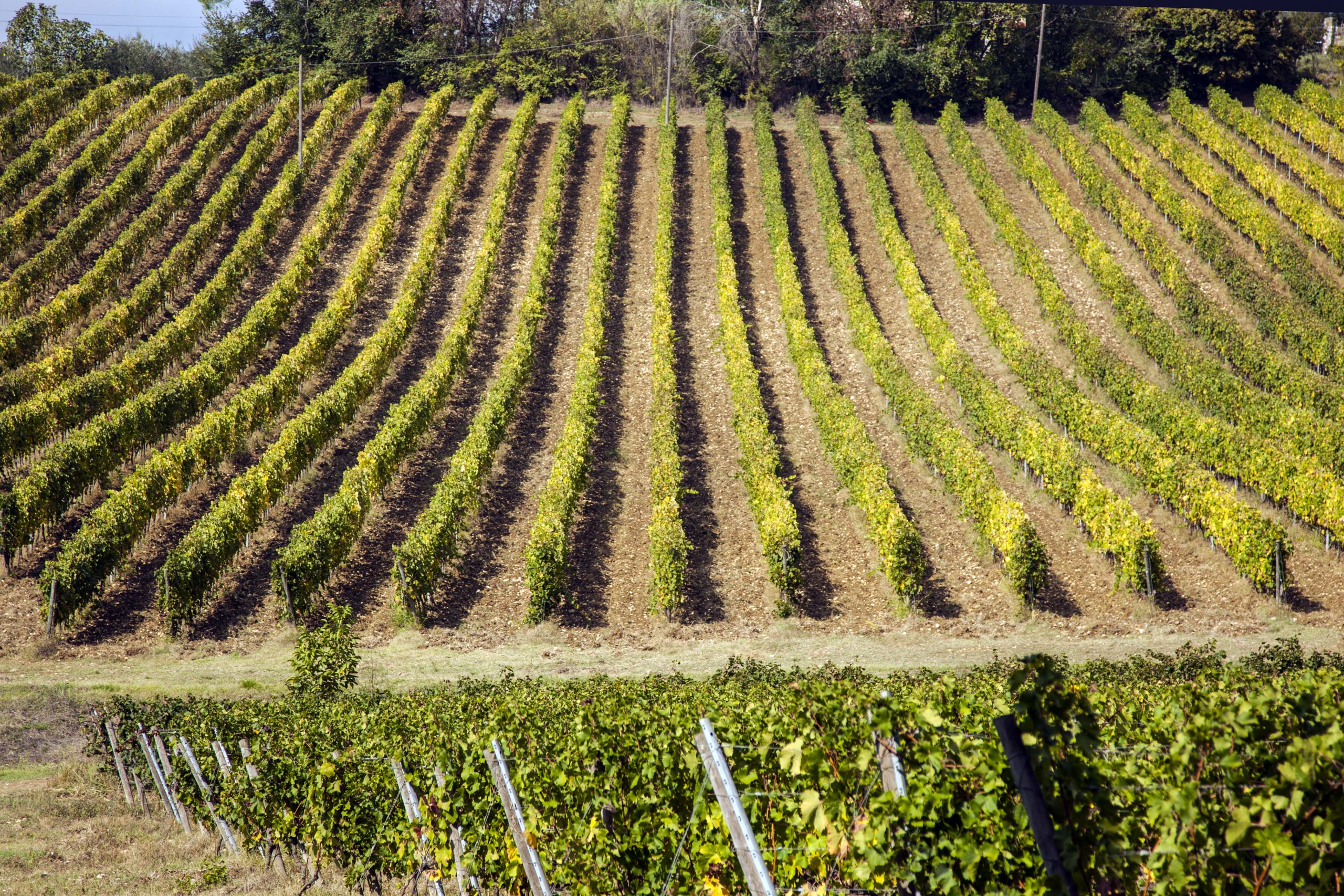
Piave DOC stretches across the Venetian plain, between the Dolomites to the north and the Adriatic Sea to the east. This geography creates a unique microclimate: mountain breezes temper the heat of the plains, while Adriatic humidity ensures freshness. The alluvial soils, rich in gravel and silt deposited by the Piave River, give the wines structure and minerality.
The Grapes of Piave DOC
Piave is a mosaic of varieties, but two stand out:
- Raboso Piave: The indigenous flagship grape, producing deeply colored, high-acid reds with flavors of sour cherry, plum, violets, and spice. Often compared to Amarone for its boldness, but more rustic and edgy.
- Manzoni Bianco: A fascinating local crossing (Riesling x Pinot Bianco) that delivers aromatic whites with notes of citrus, white flowers, and mineral tension.
International varieties—Cabernet Sauvignon, Merlot, Chardonnay, and Pinot Grigio—also thrive, but Piave’s true soul remains with Raboso.
Winemaking & DOC Regulations
The Piave DOC regulations allow for a wide range of wine styles:
- Reds (Rosso, Raboso, Merlot, Cabernet)
- Whites (Bianco, Manzoni Bianco, Pinot Grigio, Chardonnay)
- Special selections labeled Superiore (higher alcohol, stricter yields, longer aging)
Raboso wines, in particular, must age for at least two years, with Raboso Piave DOC Superiore requiring three years, including time in oak.
Key Facts at a Glance
- Region: Veneto (near Venice & Treviso)
- DOC Status: Established 1971
- Signature Grape: Raboso Piave
- Wine Styles: Red, white, rosé, sparkling
- Soils: Alluvial, gravelly, mineral-rich
- Tourism Highlight: Easily accessible on a day trip from Venice
Tasting Notes
- Raboso Piave: Deep ruby; sour cherry, blackberry, violets, pepper, leather, firm tannins, bracing acidity.
- Manzoni Bianco: Pale straw; citrus, white peach, acacia blossom, almond, mineral edge.
- International Styles: Merlot and Cabernet bring familiarity, but with Venetian freshness.
Serving & Pairing
- Raboso Piave: Best with hearty Venetian cuisine—duck ragu, grilled meats, aged cheeses. Its acidity cuts through rich dishes like soppressa veneta salami.
- Manzoni Bianco: Excellent with Adriatic seafood, risotto alla pescatora, or spring vegetable pastas.
- Sparkling versions: A playful alternative to Prosecco, perfect as an aperitivo.
Where to Buy & Pricing
Piave DOC wines remain relatively affordable compared to Amarone or Barolo.
- Everyday Bottles: €10–€15 ($12–$18)
- Raboso Superiore or Reserve Wines: €20–€40 ($25–$45)
- Where to Shop: Look for selections online at Wine.com, Eataly, or specialty importers focused on Venetian wines.
FAQ on Piave DOC
- What is Raboso wine?
A bold, tannic, high-acid red grape native to Veneto, famous for aging potential. - What wines are made in Veneto besides Prosecco?
Soave, Valpolicella, Amarone, Bardolino, and Piave DOC wines. - Where can I taste Piave DOC wines?
Wineries around Treviso and along the Piave River often welcome visitors. Easy to combine with a Venice day trip. - How much does Piave DOC cost?
From €10 for fresh whites to €40 for aged Raboso.
Fun Facts & Cultural Notes
- Raboso was Venice’s maritime wine, resistant enough to survive ocean voyages to distant colonies.
- Locals nickname it il rabbioso (“the angry one”) for its fierce tannins.
- Manzoni Bianco is a uniquely Venetian creation by Professor Luigi Manzoni, blending tradition with innovation.
- Every year, Treviso hosts wine festivals showcasing Raboso and Piave wines as part of Veneto’s cultural heritage.
Planning a trip to Venice? Don’t stop at gondolas and spritz—discover Piave DOC, Veneto’s hidden wine treasure. Share your favorite Veneto wines with us on Instagram @DrinkItalian and tag #DrinkItalian for a chance to be featured.
Have fun to learn more about Italian Wines and Spirits! Explore also the non-alcoholic beverages
Send us an email if you want to suggest edits, or if you are looking for more info, at
cheers@drinkitalian.com
If you are in the mood for a good book, you can try:
– The Modern History of Italian Wine by Walter Filipputti
– Hidden Gems of Italy: An Insider’s Secret Formula To Find Top-Class Italian Wines At Value Prices And Taste La Dolce Vita by Tony Margiotta
Additionally, you can discover the other wines from veneto.