Table of Contents
What is Cellatica DOC?
Cellatica DOC is a tiny, historic red-wine appellation in Lombardy (province of Brescia) that produces concentrated, terroir-driven reds built around Barbera and Marzemino. With only a few hectares under vine and a handful of producers, Cellatica is prized by collectors and curious travelers seeking rare Italian wines. Italian Wine CentralWine-Searcher
History and Origins
The name Cellatica comes from the Latin cella (wine cellar), and the wine is mentioned in 16th-century sources as a notable local product. The modern cooperative movement (Cooperativa Vitivinicola Cellatica-Gussago) was founded in 1952 and the denomination received DOC status in 1968—one of Lombardy’s earlier DOCs. Over the 20th century Cellatica’s fortunes rose and fell as nearby Franciacorta (sparkling wine) grew, but local producers have kept the tradition alive. WikipediaFranciacorta
Where It’s Made: Geography & Terroir
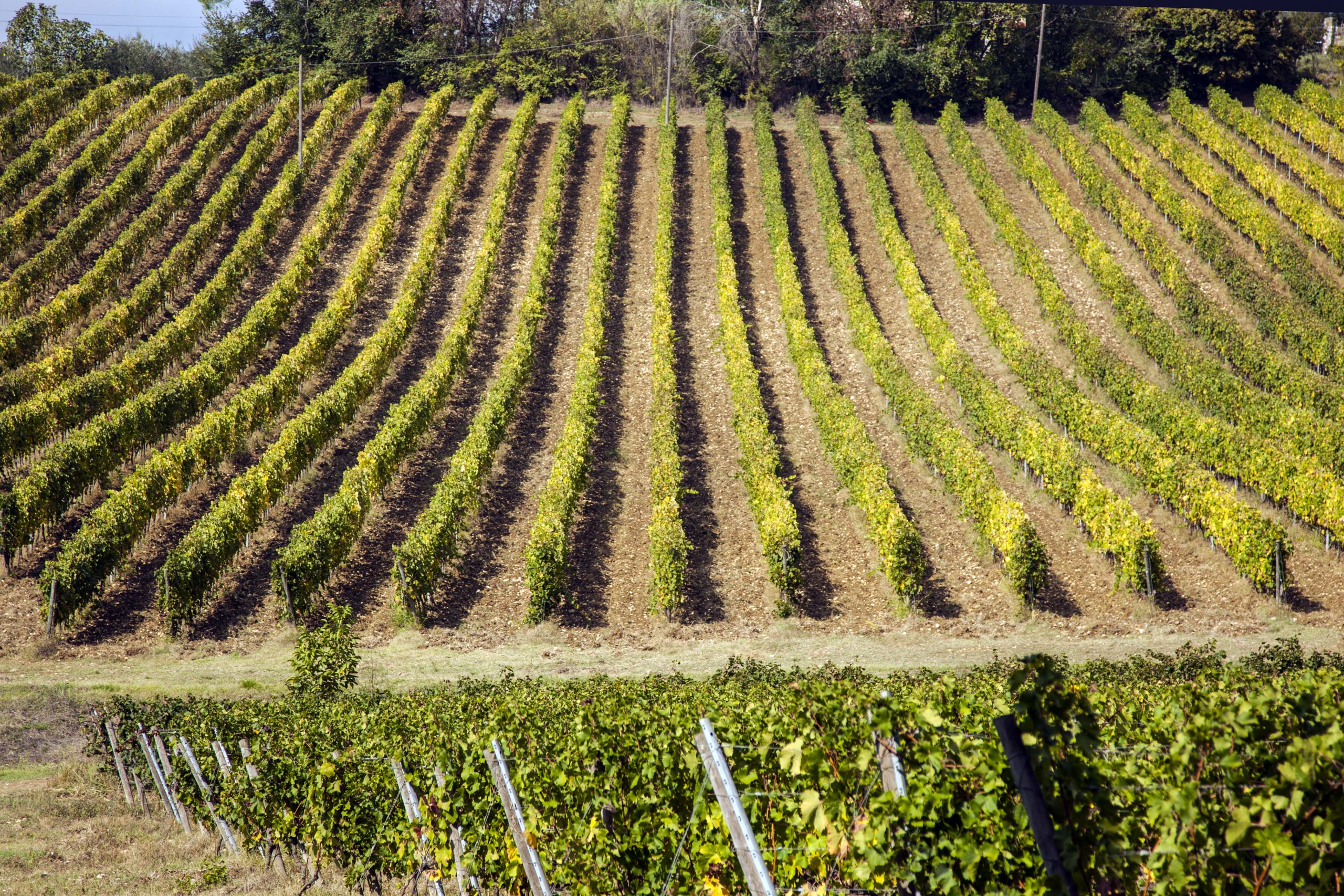
The production zone covers the hillward municipalities of Cellatica, Gussago, Collebeato, Rodengo-Saiano and parts of Brescia, in the eastern foothills that lead into Franciacorta. Soils are predominantly marl-clay with pockets of scaglia rossa and limestone, and exposures on mid-slope vineyards give good sun while retaining freshness. The proximity and partial overlap with Franciacorta create a distinctive terroir — red wines grown where famed sparkling vineyards meet typical Brescian hills. Vinerraquattrocalici.it
The Grape (or blend)
Cellatica’s official blend is a traditional northern-Italian red mix:
- Marzemino (min. 30%) — dark cherry, floral lift
- Barbera (min. 30%) — acidity, red fruit backbone
- Schiava Gentile (min. 10%) — lightness, floral notes
- Incrocio Terzi No.1 (min. 10%) — local crossing (Barbera × Cabernet-type parentage)
- Up to 10% other approved red varieties.
For Cellatica Superiore rules require slightly higher alcohol and extended aging. These native combinations create wines that are savory, slightly bitter-edged, and food-friendly. Italian Wine Centralbuonalombardia.regione.lombardia.it
Winemaking & DOC Regulations
- DOC established: 1968. Italian Wine Central
- Vineyard area: ~5 hectares (very small; production is tiny). Italian Wine Central
- Styles: Rosso (regular) and Superiore (reserve-style with longer aging and higher ABV). Italian Wine Central
- Minimum ABV: Rosso ~11.5%; Superiore ~12.0%. Superiore typically requires ~11 months’ aging into the following year. Italian Wine Central
- Yield / Elevation: Hill-site focused (up to 400 m), modest yields to preserve concentration. guidavino.wein.plus
Key Facts at a Glance
| Feature | Detail |
| Region | Lombardy — province of Brescia |
| DOC created | 1968 |
| Vineyard area | ≈ 5 ha (ultra-small appellation). Italian Wine Central |
| Primary grapes | Marzemino, Barbera, Schiava Gentile, Incrocio Terzi No.1 |
| Superiore rules | Higher alcohol, ~11 months aging minimum |
| Typical style | Ruby red, vinous, savory, slightly bitter finish |
Tasting Notes
Cellatica Rosso shows a bright ruby colour with vinous, underbrush and red-berry aromas. On the palate it is dry, medium-bodied, with crisp acidity (from Barbera) and a slightly bitter / almond-like finish that is typical of the local tradition. Superiore bottlings are darker, deeper, and more structured—some producers age in large wood or neutral barrels for extra texture. Wikipedialecantorie.com
Serving & Pairing
- Serve: 16–18 °C for Rosso; slight decant for Superiore.
- Pair with: Brescian specialties (spiedo bresciano—rotisserie skewers), mushroom risotti, grilled red meats, hearty salumi and polenta dishes. These wines are food wines—built to partner with rustic northern-Italian cuisine. WineNewsWikipedia
Where to Buy & Pricing (Practical notes)
Because production is tiny, Cellatica appears sporadically in shops and online:
- Cooperativa Vitivinicola Cellatica-Gussago (CVCG) sells a Cellatica DOC Superiore directly through its shop and online portals—typical shelf price ~€12. CVCG is the cooperative backbone of the zone and often the most reliable source. cantine.wineWineNews
- Le Cantorie (a family estate on the eastern edge of Franciacorta) produces Rossogiulia — Cellatica Superiore and lists it via regional shops; expect premium single-estate prices (often €18–€25 retail). lecantorie.comCantine di Franciacorta
- Regional e-shops & marketplaces: LombardiaFood, cantine.wine, and specialist Italian wine retailers sometimes list Cellatica bottlings. Use Wine-Searcher to locate current availability. Lombardiafoodcantine.wineWine-Searcher
Price guidance: many standard Cellatica Rosso bottlings trade in the modest range (€10–€20); reserve Superiore or small-estate releases may be more. Given scarcity, buying direct from the cooperative or winery, or via niche e-retailers, is the fastest route.
Cellatica Producers Directory (Who to watch)
Only a handful of producers keep the DOC alive—seek these names:
- Cooperativa Vitivinicola Cellatica-Gussago (CVCG) — the historical cooperative; reliable Cellatica Rosso & Superiore bottlings; tasting visits available. Franciacortacantine.wine
- Le Cantorie — family estate producing Rossogiulia (Cellatica Superiore) from old pergola vines; one of the few private estates with notable bottlings. lecantorie.comCantine di Franciacorta
- (Small third producers / craft growers) — the zone is tiny and a very small number of independent labels or cooperatives will occasionally release named-vineyard labels; look for “Vigna” on the label which shows classified single-vineyard origins. guidavino.wein.plus
Vintage Guide & Aging Potential
- General rule: Most Cellatica wines are made for near-term drinking (2–6 years), but Superiore releases from good vintages can develop for a decade or more.
- Recent production notes: CVCG’s 2021 Cellatica Superiore was produced in focused quantities and positioned as an everyday reserve (reports note shelf price ~€12 and limited bottle runs). For collectors: hold strong Superiore vintages for 5–10 years to see tertiary spice and dried-fruit complexity. WineNewscantine.wine
Cellatica DOC as a Collector’s Item: “Rare Italian Wines” Angle
Cellatica’s scarcity—only a few thousand cases a year in total—gives it collector appeal as a regional curiosity rather than a speculative investment. Collectors interested in Lombardy rarities or “wines near Franciacorta” should prioritize single-estate Superiores and cooperative special bottlings. Use local merchants or winery lists to source back-vintages. Italian Wine CentralWineNews
Lombardy Wine Region: From Franciacorta to Cellatica (tourism-friendly context)
If you’re tasting in Lombardy, pair a Franciacorta bubble morning with a Cellatica red for afternoon contrast—sparkling vs. red, terroir vs. tradition. The Cellatica zone sits at the eastern fringe of the Franciacorta nebula; many visitors combine both regions in a single day trip from Brescia or Milan. VinerraFranciacorta
Wine Tours Near Brescia: Hidden Gems Beyond Franciacorta
- Tastings at CVCG / Cooperativa Cellatica-Gussago (book ahead; cooperative offers cellar tours and tastings). cantine.wine
- Le Cantorie estate visits (family run; reserve tastings show single-vineyard Cellatica Superiore). lecantorie.com
- Combine with visits to Gussago, Cellatica, and Collebeato for local food and cellar doors, or add a stop at Franciacorta for sparkling tours. Cà del VéntFranciacorta
FAQ on Cellatica DOC (Featured-snippet friendly)
- Q: How large is Cellatica DOC?
A: Extremely small—about 5 hectares of vineyards, producing only a few thousand cases annually. Italian Wine Central - Q: What grapes make Cellatica?
A: Primarily Marzemino and Barbera, with Schiava Gentile and Incrocio Terzi also required in the blend. Italian Wine Central - Q: Where can I taste Cellatica wines?
A: Visit the Cooperativa Vitivinicola Cellatica-Gussago (CVCG) or Le Cantorie; both offer tastings or sell bottles online. cantine.winelecantorie.com - Q: Is Cellatica Superiore worth aging?
A: Yes—Superiore is built for slightly longer aging (5–10 years for top vintages). WineNews
Fun Facts & Cultural Notes
- Cellatica was well known in early modern Italy—medical and literary figures praised it in the 16th century. Wikipedia
- The cooperative culture (CVCG) kept the DOC alive during decades when sparkling Franciacorta drew focus away from red wines—today that legacy supports both local identity and tourism. Franciacorta
Have you tried a Cellatica? Tell us where you found your bottle or tag a tasting photo with #DrinkItalian—we’ll feature the best hidden-wine stories in our next Lombardy round-up. Planning a trip to Franciacorta or Brescia? Reply and we’ll sketch a one-day wine itinerary that includes Cellatica tastings.
Have fun to learn more about Italian Wines and Spirits! Explore also the non-alcoholic beverages
Send us an email if you want to suggest edits, or if you are looking for more info, at
cheers@drinkitalian.com
If you are in the mood for a good book, you can try:
– The Modern History of Italian Wine by Walter Filipputti
– Hidden Gems of Italy: An Insider’s Secret Formula To Find Top-Class Italian Wines At Value Prices And Taste La Dolce Vita by Tony Margiotta
Additionally, you can discover the other wines from Piedmont.