Bold, sun-kissed, and rooted in centuries of tradition, Primitivo di Manduria DOC is one of southern Italy’s most captivating red wines. Here’s everything you need to know—from its origins and terroir to tasting notes, food pairings, and where to buy it today.
Quick Facts at a Glance
- Wine Style: Dry red, Riserva, and sweet Dolce Naturale (DOCG)
- Primary Grape: Primitivo (aka Zinfandel/Tribidrag) – minimum 85%
- Region: Manduria (Taranto & Brindisi provinces, Puglia, Italy)
- DOC Established: 1974 (Dolce Naturale gained DOCG status in 2011)
- Alcohol: Typically 13.5%–16%
- Aging (Riserva): 24 months, including 9 in wood
- Average Price: €12–€25 for DOC; €25–€60 for Riserva/DOCG
Table of Contents
What is Primitivo di Manduria DOC? [Your Ultimate Guide]
Primitivo di Manduria DOC is Puglia’s flagship red wine appellation, crafted mostly from the Primitivo grape. Famous for its intensity and richness, this wine showcases deep color, ripe fruit, and warming Mediterranean character. It is often compared to California Zinfandel, yet carries a uniquely southern Italian soul shaped by the sun-drenched vineyards of the Salento peninsula.
History and Origins of Primitivo di Manduria
- The name Primitivo comes from primo—meaning “early”—since the grape ripens earlier than most Italian reds.
- Genetic studies link it to Croatian Crljenak Kaštelanski (Tribidrag), making it a cousin of Zinfandel.
- The variety spread through Puglia in the 18th century thanks to priest Francesco Indellicati, who recognized its potential.
- Manduria became the heart of Primitivo production, with its DOC officially established in 1974.
- In 2011, Primitivo di Manduria Dolce Naturale became Puglia’s first DOCG wine.
Geography & Terroir: Where Primitivo di Manduria is Made
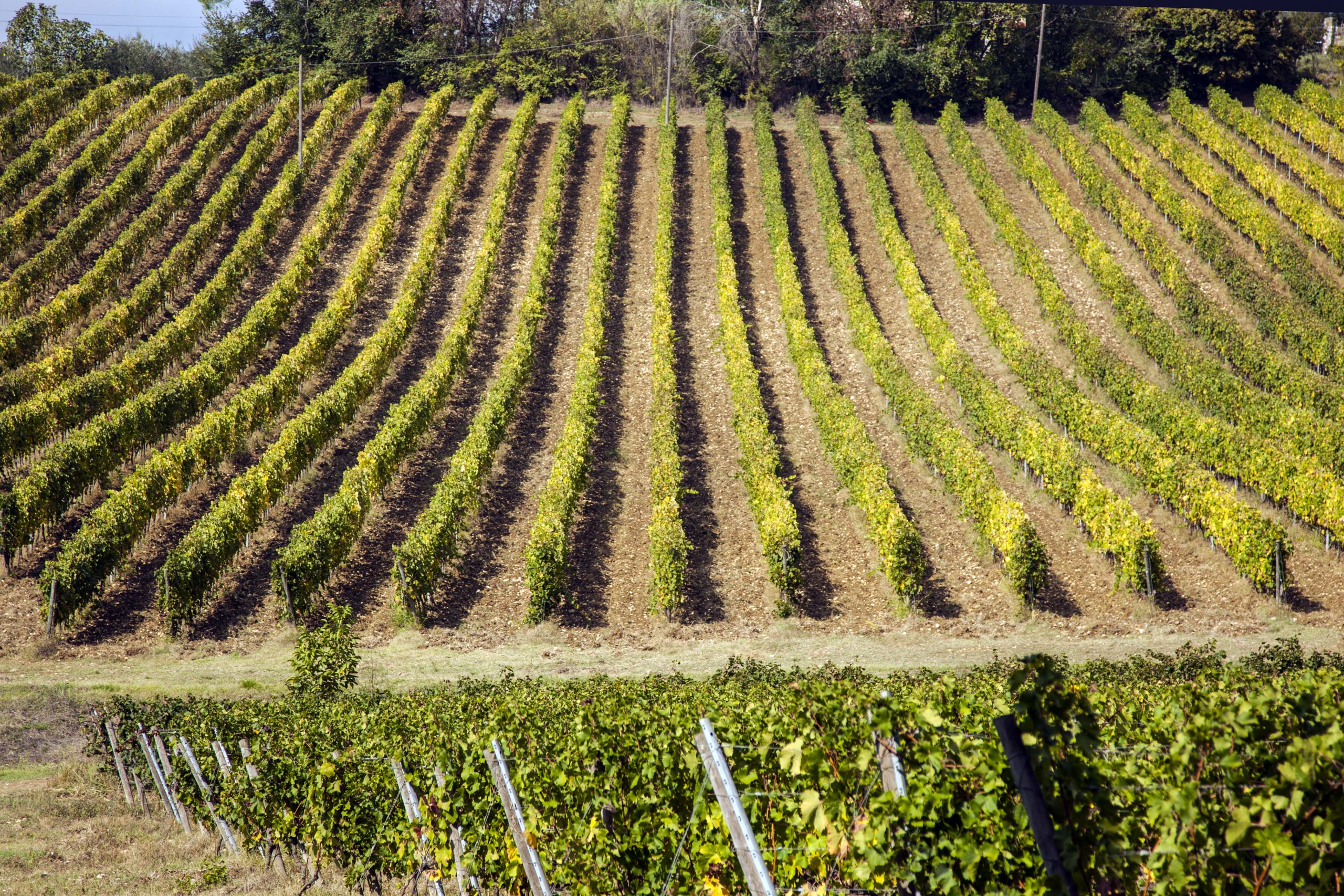
The DOC covers select communes across Taranto and Brindisi provinces in southern Puglia.
- Climate: Hot, Mediterranean, with long sunny days tempered by Ionian Sea breezes.
- Soils: A mix of calcareous clays and the striking terra rossa (iron-rich red soils).
- Vineyards: Many old bush-trained (alberello) vines, producing low yields and concentrated fruit.
This terroir gives Primitivo di Manduria its signature intensity—ripe fruit flavors, high alcohol, and plush textures.
The Primitivo Grape
- Identity: Minimum 85% Primitivo (most wines are 100%).
- Character: Early ripening, thick-skinned, naturally high in sugar.
- Global Connection: Known as Zinfandel in California, Tribidrag in Croatia.
- Flavor Profile: Ripe blackberry, plum, spice, with chocolate or licorice notes.
Winemaking & DOC Regulations
| Style | Requirements |
| Primitivo di Manduria DOC | Dry red, 13.5%+ alcohol, released March after harvest |
| Riserva DOC | 24 months aging (9 in oak), 14%+ alcohol |
| Dolce Naturale DOCG | Sweet, 50 g/L residual sugar, ~16% alcohol, grapes dried on the vine |
Producers use a mix of stainless steel (for freshness) and oak (for complexity). Old bush-vine plots yield especially concentrated wines.
Tasting Notes: What Does Primitivo di Manduria Taste Like?
- Color: Deep ruby with violet highlights
- Nose: Blackberry, plum, dark cherry, chocolate, licorice, spice
- Palate: Full-bodied, velvety, warming alcohol, soft tannins, balanced acidity
- Finish: Long, fruit-driven with hints of spice or cocoa
- Sweet DOCG Style: Lush, raisined fruit, velvety sweetness balanced by structure
Food Pairing Guide for Primitivo di Manduria
Best Dishes to Pair
- Meat: Grilled lamb, beef stew, roast pork with herbs
- Pasta: Orecchiette with ragù, spicy tomato sauces
- Cheese: Aged pecorino, caciocavallo, or gorgonzola (for sweet Dolce Naturale)
- Desserts: Chocolate torta, almond pastries with DOCG Dolce Naturale
Serving Tips
- Serve dry reds at 16–18°C, decant Riservas for at least 1 hour.
- Sweet styles: serve slightly cooler at 14–15°C.
Primitivo di Manduria vs. Zinfandel
Though genetically linked, the two wines differ:
- Primitivo di Manduria: Mediterranean, earthy, structured, often higher alcohol.
- Zinfandel (California): Jammy fruit, softer acidity, often more oak influence.
Best Primitivo di Manduria Producers
- Produttori di Manduria – historic cooperative with top DOC wines
- Feudi di San Marzano – modern flagship estate
- Vigne & Vini Cantine Menhir – artisanal approach, elegant expressions
- Cantine Jorche – family producers with old alberello vines
Where to Buy & Pricing
| Style | Typical Price Range |
| DOC (dry red) | €12–€25 ($15–$30) |
| Riserva | €25–€45 ($30–$50) |
| Dolce Naturale DOCG | €30–€60+ ($35–$70+) |
In Italy: Found in most wine shops, especially Puglia.- Internationally: Exported widely—look for online Italian specialists and major importers in the US, UK, and Asia.
FAQ on Primitivo di Manduria
- Q: Is Primitivo the same as Zinfandel?
Yes—genetically identical, but stylistically different. - Q: How strong is it?
Dry DOC wines start at 13.5%, Riserva ~14%, Dolce Naturale up to 16%. - Q: Can it age?
Standard DOC wines drink well young; Riservas can age 5–10 years.
Fun Facts & Cultural Notes
- The name Primitivo means “early ripening,” not “primitive.”
- Manduria’s ancient underground cellars once stored barrels for northern export.
- Many producers still farm century-old bush-trained vines by hand.
Have you tasted Primitivo di Manduria? Share your favorite bottle or pairing in the comments, or tag us @DrinkItalian to be featured in our community spotlight.
Have fun to learn more about Italian Wines and Spirits! Explore also the non-alcoholic beverages
Send us an email if you want to suggest edits, or if you are looking for more info, at
cheers@drinkitalian.com
If you are in the mood for a good book, you can try:
– The Modern History of Italian Wine by Walter Filipputti
– Hidden Gems of Italy: An Insider’s Secret Formula To Find Top-Class Italian Wines At Value Prices And Taste La Dolce Vita by Tony Margiotta
Additionally, you can discover the other wines from Puglia.