Orvieto DOC is a historic Italian white wine appellation from Umbria and Lazio, made primarily from Grechetto and Trebbiano Toscano. Produced in dry, semi-sweet, and sweet styles, Orvieto is known for its fresh citrus, floral, and almond notes. Affordable and food-friendly, it remains one of Italy’s most versatile wines.
Table of Contents
What is Orvieto DOC?
Orvieto DOC is one of central Italy’s most celebrated wine designations, producing fresh, elegant white wines from the hills of Umbria and northern Lazio. Known for their pale golden hue and lively acidity, these wines are beloved both locally and abroad for their easy-drinking versatility.
History and Origins
From the Etruscans who dug tufa caves to the Popes who made Orvieto their house pour, this wine has been a cultural staple for over 2,000 years. In the 20th century, mass exports made Orvieto globally recognized, though at times at the cost of quality. Today, a new wave of producers emphasizes terroir-driven wines that balance tradition and refinement.
Where It’s Made: Geography & Terroir
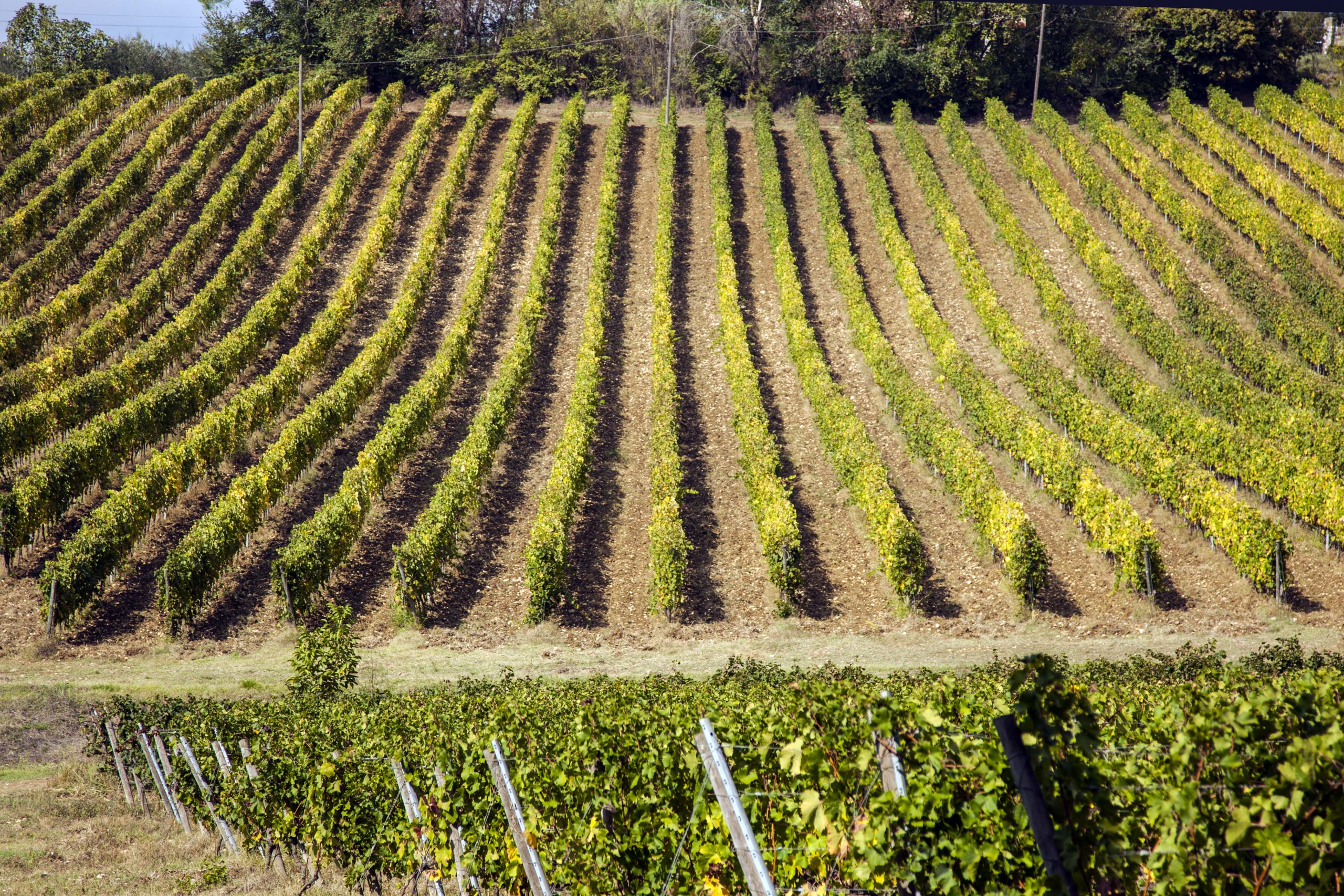
The Orvieto DOC covers about 3,500 hectares of vineyards, producing nearly 20 million bottles annually. The appellation spans southwestern Umbria into Lazio, centered on the medieval town of Orvieto, dramatically perched atop volcanic cliffs.
Volcanic and sedimentary soils, high-altitude vineyards, and cooling breezes create wines that are fresh yet structured, with minerality and almond-like complexity.
The Grape (or Blend)
DOC rules require blends of:
- Grechetto (structure, herbal notes)
- Trebbiano Toscano (Procanico) (freshness, citrus)
- Supported by Drupeggio, Malvasia, Verdello (floral, fruity lift)
This ensemble yields wines that are aromatic, balanced, and distinctly Italian.
Winemaking & DOC Regulations
- Minimum 60% Grechetto + Trebbiano Toscano
- Styles: Secco (dry), Abboccato (off-dry), Amabile (semi-sweet), Dolce (sweet)
- Orvieto Classico: from the historic production heartland
- Most wines are stainless-steel fermented for freshness; some artisanal producers use oak for complexity.
Key Facts at a Glance
- Region: Umbria & Lazio
- DOC Established: 1971
- Vineyard Area: ~3,500 hectares
- Annual Production: ~20 million bottles
- Primary Grapes: Grechetto, Trebbiano Toscano
- Styles: Dry, medium-sweet, sweet, Classico
- Price Range: $10–20 USD
Tasting Notes
- Color: Pale straw to golden
- Nose: Citrus blossom, green apple, pear, almond, subtle herbs
- Palate: Light to medium-bodied, crisp acidity, mineral-driven with a trademark almond finish
Serving & Pairing
- Best temperature: 8–10°C (46–50°F)
- Pairings: Umbrian lake fish, vegetable risotto, bruschetta, pecorino, white truffle pasta
- Classic Match: Porchetta with Orvieto Classico
Where to Buy & Pricing
Widely exported, Orvieto DOC remains one of Italy’s most affordable quality whites:
- $10–15 USD: Standard bottlings (Cecchi, Bigi, Ruffino)
- $16–20 USD: Orvieto Classico from boutique producers (Barberani, Palazzone, Decugnano dei Barbi)
Look for retailers like Wine.com, Vivino, or Italian import specialists.
FAQ on Orvieto DOC
- Is Orvieto always dry?
No, while most are dry, semi-sweet and sweet versions exist. - What is Orvieto Classico?
The highest-quality subzone from the historic heartland around the town of Orvieto. - Is Orvieto similar to Pinot Grigio?
Both are light whites, but Orvieto offers more floral, mineral, and almond notes. - Can Orvieto age?
Most are best young, but Classico Superiore bottlings can age 3–5 years. - Is Orvieto a good Prosecco alternative?
Yes—fresh, affordable, and ideal as an aperitivo, though still rather than sparkling.
Fun Facts & Cultural Notes
- Orvieto’s tufa caves, carved by the Etruscans, still serve as wine cellars today.
- In the Middle Ages, the Popes kept Orvieto on their papal tables and travel caravans.
- The Cathedral of Orvieto, with its golden mosaics, mirrors the wine’s luminous color.
Ready to swap your Pinot Grigio for something with more history and soul? Try Orvieto DOC—Italy’s golden white that’s as perfect for aperitivo as it is for a truffle-laced Umbrian dinner. Share your Orvieto moment with us using #DrinkItalian.
Have fun to learn more about Italian Wines and Spirits! Explore also the non-alcoholic beverages
Send us an email if you want to suggest edits, or if you are looking for more info, at
cheers@drinkitalian.com
If you are in the mood for a good book, you can try:
– The Modern History of Italian Wine by Walter Filipputti
– Hidden Gems of Italy: An Insider’s Secret Formula To Find Top-Class Italian Wines At Value Prices And Taste La Dolce Vita by Tony Margiotta
Additionally, you can discover the other wines from Umbria and Lazio.