Table of Contents
What is Noto DOC?
Noto DOC is a small, sun-drenched appellation in southeastern Sicily (Siracusa province), near the island’s “extreme southeast,” best known for two dramatically different yet equally Sicilian expressions: powerful Nero d’Avola–led reds and the perfumed sweet wines of Moscato di Noto, including the concentrated Passito di Noto.
Established as a DOC in 1974 (originally centered on Moscato di Noto), the denomination was broadened and renamed simply “Noto” with later disciplinare revisions, reflecting the growing recognition of serious reds alongside historic Moscato traditions.
In scale, Noto wine is boutique: about 79 hectares of vines (2021) and roughly 1,880 hectoliters (5-year average), a small production footprint that keeps the identity focused and the best bottles easy to remember.
History and Origins
Noto’s cultural gravity is inseparable from the wider Val di Noto, a UNESCO World Heritage site celebrated for its Late Baroque towns rebuilt after the 1693 earthquake—a landscape of honey-colored stone, theatrical façades, and cinematic piazzas.
Wine, however, predates the architecture by centuries. The official denomination sheet notes that viticulture here is documented since the era of Greek colonization in eastern Sicily, placing Noto wine in one of the Mediterranean’s oldest viticultural storylines.
Historically, the zone’s calling card was aromatic Moscato—made in still, sparkling, fortified, and dried-grape (passito) traditions. That legacy was strong enough that early DOC recognition focused on Moscato styles; later disciplinare updates broadened the scope to reflect what growers were already doing: bottling increasingly confident Nero d’Avola reds from a territory that includes Avola itself, the town most closely tied to the grape’s identity.
The result is a denomination that feels like two parallel Sicilies: one dark and savory (reds), the other golden and perfumed (Moscato). And both are unmistakably Noto wine.
Where It’s Made: Geography & Terroir
The Noto DOC production zone spans four communes in Siracusa province: Noto, Rosolini, Pachino, and Avola.
Geographic positioning: Sicily at its most maritime
This is Sicily’s southeastern corner, where maritime influence is hard to escape—vineyards sit within easy reach of the coast (especially around Pachino and Avola), and breezes help keep nights fresher than you’d expect from the latitude alone. This matters because Noto wine is built on ripeness—but the best examples avoid that flat, monotone “heat-only” profile.
Elevation & landscape
Much of the DOC sits at relatively low-to-moderate elevations (from near sea level into gently rising inland slopes). A concrete example from within the zone: Planeta’s Passito di Noto vineyards are cited at ~40 meters altitude—very much a maritime, sun-facing profile.
Climate, with numbers
Noto has a hot-summer Mediterranean climate (Csa).
Climatology references for Noto consistently show:
- Very dry peak summer (July is typically the driest month; one dataset cites ~3 mm rainfall in July).
- Warmest months in June–August, with daily mean temperatures commonly in the mid-20s °C range.
- Annual precipitation that’s modest and seasonal (one dataset summarizes ~676 mm/year equivalent from monthly averages; others vary by method and station).
Soils: limestone and light-colored clays
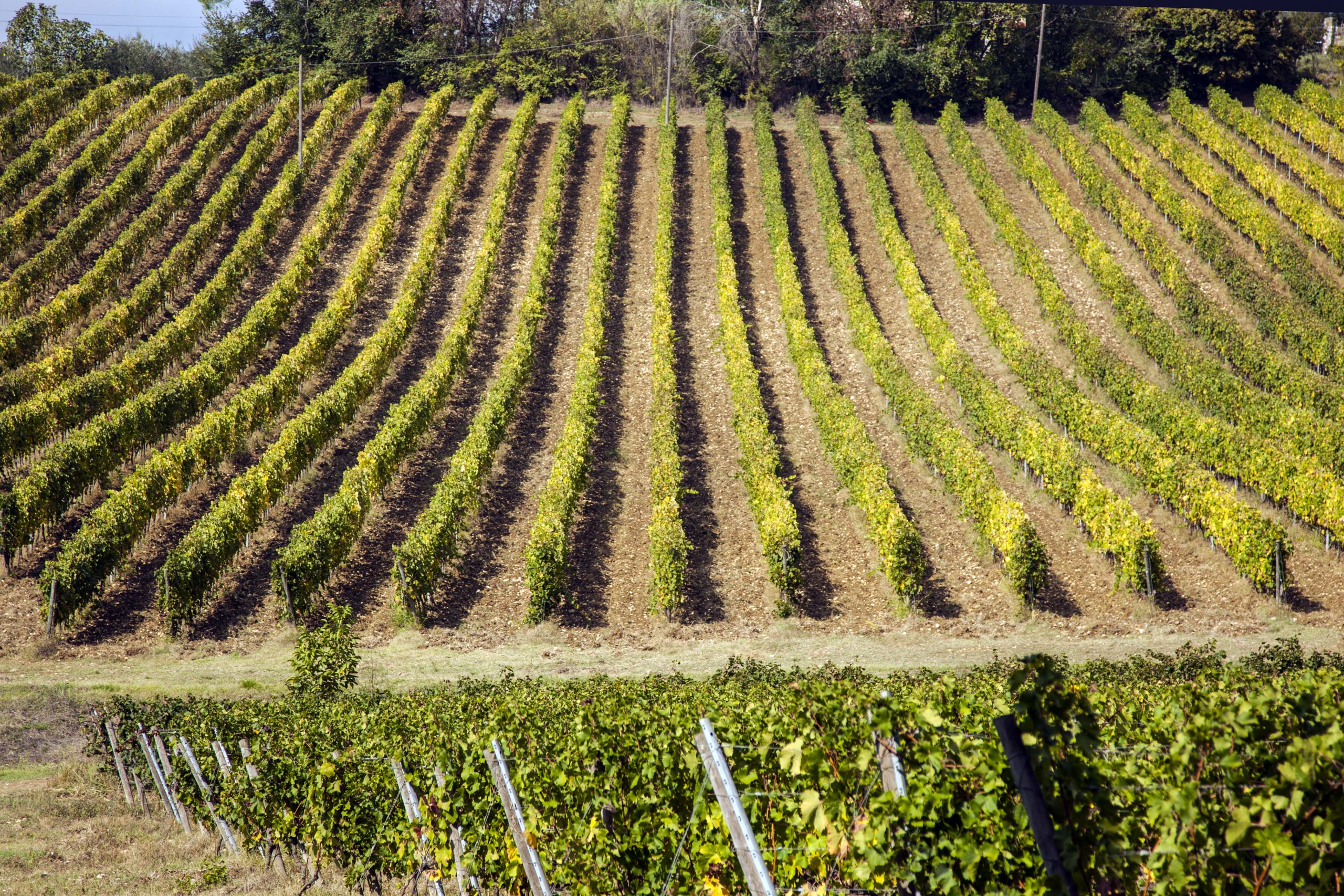
Producers repeatedly call out calcareous (limestone) marls with a light clay fraction and abundant “skeleton” (stones).
In wine terms, limestone in a warm zone is a quiet gift: it can help reds feel more structured and savory (not just sweet-ripe), and it helps aromatic grapes like Moscato keep definition rather than drifting into heaviness.
Terroir → taste translation: the best Noto wine reads as sun + structure: Nero d’Avola with dark fruit and Mediterranean herbs, and Moscato with citrus-blossom perfume that stays surprisingly lifted even in passito and fortified forms.
The Grapes
Noto DOC is essentially a two-grape appellation—laser focused, and easy for drinkers to understand once you know the cast.
Moscato Bianco — the historic heart
All Noto DOC Moscato-based styles are built on Moscato Bianco (Muscat), including still, sparkling (spumante), fortified (liquoroso), and dried-grape passito traditions.
Why Moscato works in Noto wine:
- The climate supports full aromatic ripeness (think orange blossom and citrus peel rather than under-ripe grapiness).
- Limestone-forward soils help keep the sweetness from feeling dull or sticky, especially in passito expressions.
- In passito, drying concentrates everything—sugars, acids, and aromatics—creating dessert wines that feel more like candied citrus and stone fruit than simple sweetness.
Compared to other Italian Moscato:
- Asti is lighter and lower-alcohol; Noto tends to be richer and more sun-concentrated.
- Pantelleria is another famous dried-Muscat island style—different soils and exposures, but a similar idea of sun + perfume.
Nero d’Avola — the modern flagship
For reds, the disciplinare defines two key typologies:
- Noto Rosso: minimum 65% Nero d’Avola, with other approved non-aromatic reds permitted.
- Noto Nero d’Avola: minimum 85% Nero d’Avola, with other approved non-aromatic reds permitted.
Why Nero d’Avola works here specifically:
Nero d’Avola can become overly soft or jammy in very warm sites if the structure isn’t there. In the Noto zone, calcareous marls and maritime influence (plus thoughtful winemaking) help shape Noto wine into something darker and richer than many reds—yet still poised, with savory edges and a finish that wants food.
Winemaking & DOC Regulations
One reason Noto wine is so consistent on the shelf is that the rules map neatly to what you see on labels.
Yield + alcohol guardrails (quality control)
The disciplinare sets maximum yields and minimum natural alcohol levels:
- Noto Rosso: max 12 t/ha; minimum natural alcohol 12%
- Noto Nero d’Avola: max 11 t/ha; minimum natural alcohol 12.5%
It also regulates grape-to-wine conversion and per-hectare wine yields (including stricter conversion for passito styles).
Style notes you’ll actually feel in the glass
- Passito is explicitly tied to dried-grape production methods (appassimento tradition).
- Liquoroso is fortified Moscato—typically richer and warmer, designed for slow sipping.
Common winemaking approaches (what producers typically do)
While the disciplinare sets the boundaries, producers shape the style:
- Nero d’Avola reds: temperature-controlled fermentation to avoid harsh extraction in warm years; oak aging varies widely—some go for pure fruit and savory herbs, others lean into cocoa/vanilla and polish.
- Moscato styles: cold fermentation to preserve aromatics; passito involves drying and careful fermentation management to keep sweetness balanced; liquoroso adds fortification and time for integration (Planeta describes harvesting and drying in a fruit cellar for its passito).
Key Facts at a Glance
- Appellation: Noto DOC
- Region: Sicilia (Siracusa province)
- Vineyard area: 79 ha (2021)
- Production: 1,880 hl (5-year average)
- Zone: Noto, Rosolini, Pachino, Avola
- Signature red grape: Nero d’Avola
- Signature sweet grape: Moscato Bianco
- Climate: hot-summer Mediterranean (Csa)
- Summer dryness: July is typically the driest month (example dataset: ~3 mm).
Tasting Notes
What does Noto wine taste like?
Noto Nero d’Avola (DOC)
- Appearance: deep ruby to garnet-purple, often with an inky core
- Aromas: black cherry, blackberry, sun-warmed plum; dried oregano/thyme; cocoa and sweet tobacco in oak-influenced versions; sometimes a saline, savory edge
- Palate: medium-full to full body; firm (but not brutal) tannins; warmth balanced by structure; long finish that reads more “Mediterranean brush + spice” than “jam”
Compared to…
- Broader Sicilia DOC Nero d’Avola: Noto Nero d’Avola often feels more “place-stamped” when the limestone and breezes show up as savory structure rather than simple sweetness.
- Cerasuolo di Vittoria: usually brighter and more floral (due to Frappato in the blend); Noto is darker, firmer, and more “night-warm.”
- Primitivo: similar sun-level intensity, but Primitivo often goes softer and sweeter; Nero d’Avola in Noto tends to keep more savory traction.
Noto Rosso (DOC)
- Profile: still Nero d’Avola-led, but the permitted blending can make it slightly rounder or more peppery depending on supporting varieties.
- Best use case: a “weekday Sicilian red” with enough structure for grilled meats and tomato-based dishes.
Moscato di Noto (still)
- Appearance: pale to medium straw-gold
- Aromas: orange blossom, candied citrus peel, apricot, white peach, jasmine
- Palate: sweet but lifted; aromatic intensity with a clean citrus-floral finish (best examples feel perfumed, not sticky)
Moscato di Noto Spumante
- Aromas: the same citrus blossom core, but brightened by bubbles
- Palate: sweet, lively, refreshing when served properly cold (a dessert wine that behaves like an aperitivo)
Passito di Noto
- Appearance: deep gold to amber, viscous
- Aromas: honeyed apricot, orange marmalade, dried citrus peel, candied lemon, floral spice
- Palate: rich and concentrated; sweetness framed by structure (think “candied citrus + honey” rather than syrup)
Planeta’s technical notes for Passito di Noto highlight calcareous marl soils and drying in a fruit cellar, which aligns with that concentrated yet defined sensory profile.
Moscato di Noto Liquoroso
- Aromas: candied citrus, honey, dried stone fruit, warm spice
- Palate: sweet and fortified—denser, warmer, and more lingering than still Moscato; made for small pours and slow conversation
Serving & Pairing
Noto Nero d’Avola / Noto Rosso
- Serve: 16–18°C (60–64°F)
- Decant: 30–60 minutes for young, structured bottles
- Pair with: grilled lamb, sausage, caponata, eggplant parm, tomato-rich pasta, aged cheeses
Why these pairings work: Noto wine reds bring tannin and savory herbs—perfect with char, olive oil, tomato, and anything eggplant wants to become.
Moscato di Noto (still / spumante)
- Serve: 6–10°C (43–50°F), especially for spumante
- Pair with: almond pastries, citrus desserts, ricotta-based sweets
Passito di Noto / Liquoroso
- Serve: 10–12°C (50–54°F) in smaller glasses
- Pair with: cannoli, cassata, dark chocolate, or blue cheese (sweet-salty magic)
Where to Buy & Pricing
Noto DOC is small (79 ha), so availability can be uneven outside Italy.
A smart buying strategy for newcomers to Noto wine: pick one Nero d’Avola and one Moscato/Passito from the same zone to understand the “two traditions” side by side.
Real-world pricing examples (exact listings; prices vary by market/vintage)
- Planeta “Santa Cecilia” Noto DOC (Nero d’Avola) — €24.90
- Zisola 2019 Rosso Nero d’Avola (Noto) — $27 (listed price reference)
- Marabino “Muscatedda” Moscato di Noto 2023 — $52.00
- Barone Montalto “Passivento” Passito di Noto 2018 — €31.90
Producers to know (series anchors)
- Planeta (key reference for Noto DOC Nero d’Avola and Passito di Noto)
- Zisola (Noto-area Nero d’Avola)
- Marabino (Moscato di Noto focus)
FAQ on Noto DOC
- Is Noto DOC mainly red or sweet wine?
Both. Noto DOC covers Nero d’Avola reds and Moscato-based still, spumante, liquoroso, and passito styles. - Which towns are in the Noto DOC zone?
Noto, Rosolini, Pachino, and Avola (Siracusa). - What’s the difference between Noto Rosso and Noto Nero d’Avola?
Rosso is min 65% Nero d’Avola; “Noto Nero d’Avola” is min 85% Nero d’Avola. - What grape is Passito di Noto made from?
Moscato Bianco, traditionally from dried grapes (appassimento). - Is Moscato di Noto always sparkling?
No—there are still and sparkling versions, plus liquoroso and passito styles. - Do I need to age Noto Nero d’Avola?
Not required. Many bottles shine young, but more structured examples can reward a few years. - How does Noto DOC compare to other Sicilian wine regions?
Noto wine is warm, maritime, and limestone-influenced—built around Nero d’Avola + Moscato. Etna is higher and volcanic; Vittoria is often lighter and more floral (Frappato blends); western Sicily is broader and more multi-variety. Noto is the “extreme southeast” voice: sunlit power with a surprisingly savory edge. - Is Noto wine good value?
Often yes—especially for Nero d’Avola lovers who want structure and place-identity without chasing prestige pricing. - What’s the easiest way to start exploring Noto DOC?
Start with a Noto Nero d’Avola from a known producer, then add Passito di Noto as a second bottle—same zone, totally different expression.
Fun Facts & Cultural Notes
- The Late Baroque Towns of the Val di Noto UNESCO listing explicitly notes the towns were rebuilt after the 1693 earthquake—including Noto itself.
- The denomination sheet highlights that viticulture here is documented since Greek colonization of eastern Sicily—ancient roots beneath all that baroque drama.
- Noto’s sweet wines aren’t a novelty add-on; Moscato is woven into the area’s identity, and today’s best passito bottles feel like Sicily’s citrus groves translated into liquid.
Noto wine is Sicily in stereo: dark, savory Nero d’Avola on one channel, golden Moscato sweetness on the other. If you were pouring tonight, would you choose Noto Nero d’Avola or Passito di Noto—and what would you pair it with? Drop your pick (and the dish) in the comments, and subscribe to Drink Italian for more DOC wine guides with bottles worth actually buying.
Have fun to learn more about Italian Wines and Spirits! Explore also the non-alcoholic beverages
Send us an email if you want to suggest edits, or if you are looking for more info, at
cheers@drinkitalian.com
If you are in the mood for a good book, you can try:
– The Modern History of Italian Wine by Walter Filipputti
– Hidden Gems of Italy: An Insider’s Secret Formula To Find Top-Class Italian Wines At Value Prices And Taste La Dolce Vita by Tony Margiotta
Additionally, you can discover the other wines from Sicilia.