Table of Contents
What is Montescudaio DOC?
Montescudaio DOC is a small but distinctive wine appellation in Tuscany’s Val di Cecina, where rolling hills meet the Tyrrhenian Sea. Known for Sangiovese-based reds, crisp Vermentino whites, and the rare Vin Santo dessert wine, Montescudaio DOC wines combine coastal freshness with hillside structure. Established in 1976, the appellation offers an authentic taste of Tuscany beyond Chianti and Brunello — an under-the-radar destination for wine lovers seeking Tuscan coastal wines with character.
History & Origins
- Medieval roots: Vineyards around Montescudaio trace back to Etruscan and Roman times, with the Benedictine monastery of 1091 preserving viticulture through the Middle Ages.
- DOC recognition: Official DOC status came in 1976, one of the early Tuscan appellations to receive recognition.
- Modern revival: Once known for simple table wines, Montescudaio has gained attention for structured reds, elegant whites, and artisanal Vin Santo wines that reflect terroir.
Pull quote: “Montescudaio wines are Tuscany in stereo — the hills and the sea in every sip.”
Geography & Terroir of Val di Cecina
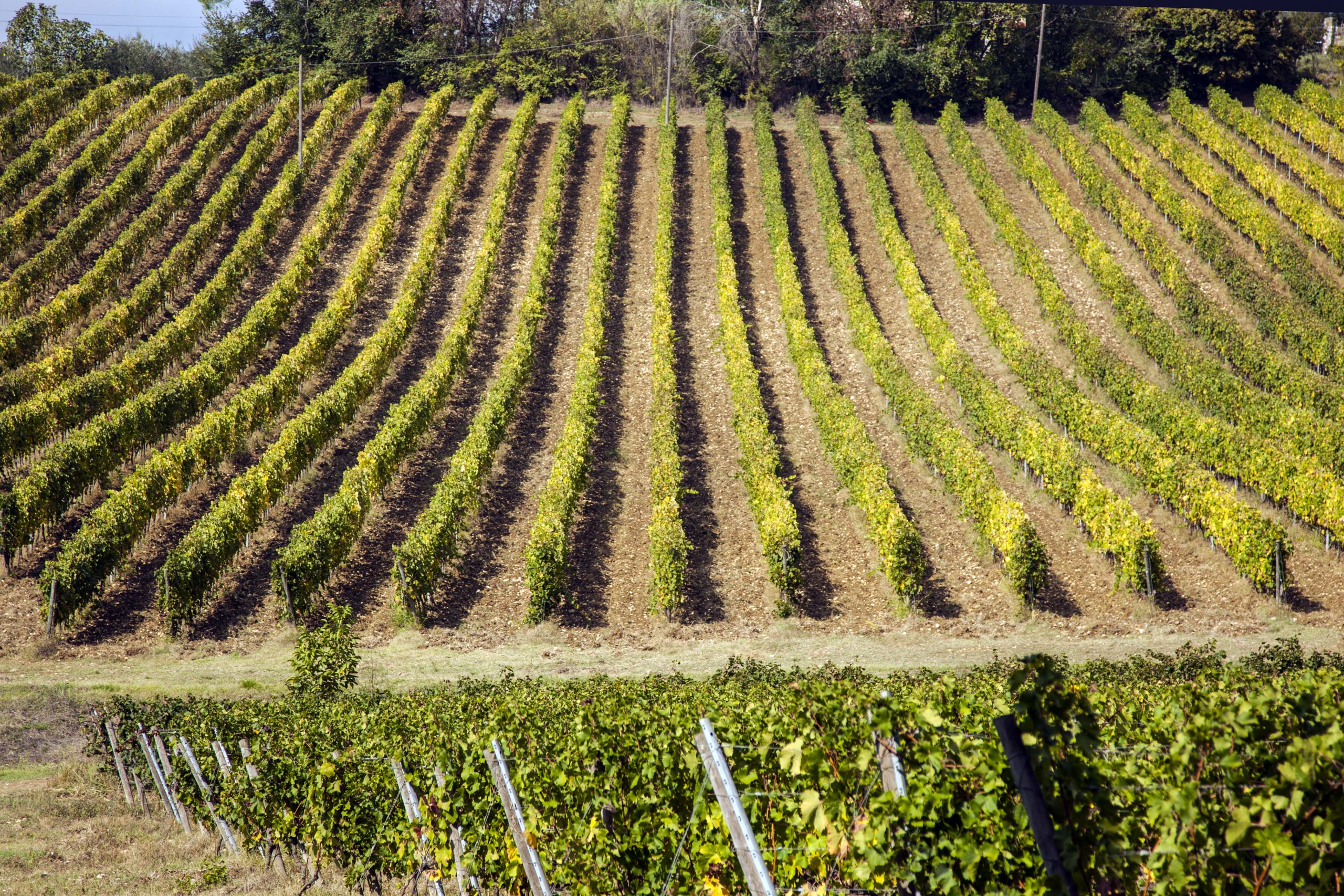
- Location: Province of Pisa, including Montescudaio, Guardistallo, Casale Marittimo, Montecatini Val di Cecina, and neighboring villages.
- Climate: Warm Mediterranean with strong coastal influence — sea breezes cool vineyards and preserve freshness.
- Soils: A patchwork of clay, marl, and mineral-rich hillsides, giving wines salinity, spice, and structure.
- Scale: Small DOC, with about 42 hectares planted and less than 10,000 cases produced annually — boutique by Tuscan standards.
Grapes & DOC Regulations
- Red wines: Predominantly Sangiovese, often blended with Cabernet Sauvignon, Merlot, and Cabernet Franc. Riserva versions demand longer aging and higher alcohol.
- White wines: Vermentino, Trebbiano Toscano, Chardonnay, Sauvignon Blanc — sometimes varietal, sometimes blended.
- Specialty wines: Vin Santo (including the prized Occhio di Pernice) — made from dried grapes, aged slowly in small barrels.
- DOC rules: Varietal wines must contain at least 85% of the named grape; blends require at least 50% Sangiovese (red) or Trebbiano/Vermentino (white).
Wine Styles & Tasting Notes
Rosso (Red)
- Ruby red, evolving to garnet with age
- Red cherry, plum, Mediterranean herbs, tobacco, and spice
- Medium to full-bodied, with balanced acidity and firm tannins
Bianco (White)
- Pale straw to light gold
- Lemon zest, green apple, jasmine, with a saline edge
- Crisp, lively, refreshing
Rosato
- Salmon-pink
- Bright berry fruit, floral notes
- Dry, versatile, ideal with antipasti
Vin Santo
- Amber-gold, complex aromas of dried fruit, honey, almond, and spice
- Rich and sweet, with balancing acidity
Food Pairings
- Reds: Wild boar ragù, bistecca alla Fiorentina, pecorino cheese
- Whites: Tuscan seafood, grilled calamari, summer vegetable pasta
- Rosato: Charcuterie boards, poultry, pizza
- Vin Santo: Cantucci biscotti, almond pastries, aged blue cheese
Best Montescudaio Wines to Try
(Buyer’s Guide – captures commercial intent)
- La Regola – Montescudaio Rosso Riserva 2019 – Structured Sangiovese-Cabernet blend, dark fruit, spice, ~€25–30.
- Podere La Regola – Vermentino 2022 – Crisp, saline Vermentino, citrus-driven, ~€15–20.
- Poggio Gagliardo – Vin Santo Occhio di Pernice – Lush amber nectar, dried fig and honey notes, ~€40+.
Where to Buy & Pricing
- In Italy: Enotecas in Pisa and Livorno provinces, and directly at local estates.
- Abroad: Limited import availability, but found at boutique Italian wine shops in the US, UK, and northern Europe.
- Pricing: Everyday whites and Rosso from ~€12–20, Riservas from ~€25–40, Vin Santo from ~€35+.
FAQ on Montescudaio DOC
- What does “Montescudaio” mean?
Derived from Mons scutorum, “mountain of shields,” a nod to its medieval history. - How is Vin Santo made here?
By drying grapes before fermentation, then aging them for years in small oak barrels, creating a sweet yet balanced wine. - Is Montescudaio DOC only red wine?
No — it produces reds, whites, rosato, and dessert wines, though reds dominate.
Fun Facts & Cultural Notes
- Montescudaio is officially listed among “The Most Beautiful Villages in Italy”, celebrated for its medieval charm.
- Each October, the town hosts a Wine Festival where producers open cellars and pour the new vintage alongside local olive oil and breads.
- It’s often called the “city of wine and bread”, a phrase that perfectly sums up its rustic yet soulful identity.
Planning a trip to Tuscany’s coast? Add Montescudaio to your itinerary and taste wines where the hills meet the sea. Share your favorite Tuscan coastal wines with us @DrinkItalian — we’d love to feature your story!
Have fun to learn more about Italian Wines and Spirits! Explore also the non-alcoholic beverages
Send us an email if you want to suggest edits, or if you are looking for more info, at
cheers@drinkitalian.com
If you are in the mood for a good book, you can try:
– The Modern History of Italian Wine by Walter Filipputti
– Hidden Gems of Italy: An Insider’s Secret Formula To Find Top-Class Italian Wines At Value Prices And Taste La Dolce Vita by Tony Margiotta
Additionally, you can discover the other wines from Tuscany.