Table of Contents
What is Matera DOC?
Matera DOC is a quietly compelling Italian wine appellation in Basilicata, anchored by the ancient city of Matera—a UNESCO World Heritage destination famous for its Sassi cave dwellings and dramatic, cinematic landscapes.
Established in 2005, Matera DOC produces a versatile range of wines: sunlit Mediterranean whites (notably Greco and Malvasia Bianca), vibrant rosato, and structured reds built on Primitivo, Sangiovese, and Bordeaux varieties like Cabernet Sauvignon (especially in the signature blend, Matera Moro).
If Aglianico del Vulture is Basilicata’s famous benchmark, Matera wine offers a broader, more travel-linked story—shaped by limestone geology, Ionian breezes, and one of Italy’s most unforgettable cities.
History and Origins of Matera DOC Wine
Matera wine history stretches back to antiquity, in a part of southern Italy shaped by centuries of settlement, farming, and trade. While Basilicata’s modern reputation often centers on Mount Vulture, the Province of Matera has long produced wine for local tables—and increasingly, for a global audience.
The turning point came in the modern era. The DOC was established in 2005, formalizing the distinct identity of Matera DOC wine and its surrounding production zone. The rise of Matera as a cultural destination amplified that momentum: the Sassi and the Park of the Rupestrian Churches were inscribed as a UNESCO World Heritage Site in 1993, making the city a magnet for travelers whose curiosity often extends to what’s poured at dinner.
That international spotlight grew again when Matera became European Capital of Culture 2019, a year that strengthened the city’s profile—and, by extension, the visibility of Matera wine.
Where It’s Made: Geography & Terroir
Matera DOC sits in eastern Basilicata, close to the Puglia border, spanning the Province of Matera and zones that stretch toward the Ionian-facing Metapontino area.
Landscape, elevation, and climate
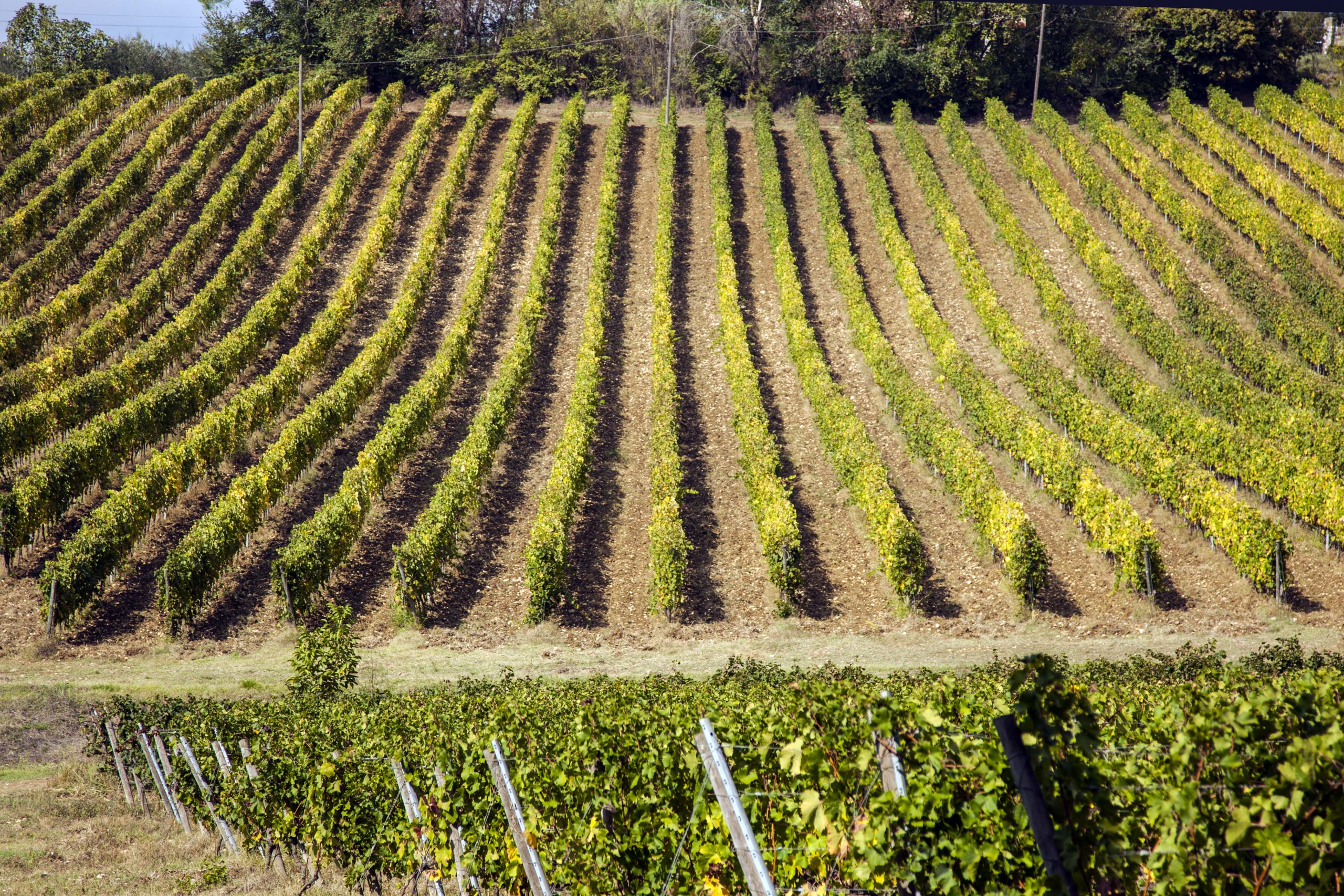
Vineyards typically sit around 200–600 meters above sea level (a meaningful range in the south). Hillside sites generally see bigger day–night temperature shifts, which helps keep wines fresh and food-friendly even when fruit is fully ripe.
The overall feel is Mediterranean: lots of sun, dry summers, and a lift from coastal airflow. In practical tasting terms, that often translates to ripe fruit with brighter edges—especially in Matera Greco and in rosato made from Primitivo.
Soils (and why they matter)
Matera’s identity is tied to geology as much as culture. Limestone and calcareous clays are key threads in the zone’s terroir, echoing the rock that made the Sassi possible.
- Calcareous clay: moisture retention in dry summers + a firmer mineral “spine” in reds
- Limestone-rich substrata: often linked to a subtle saline/mineral finish in whites
- Sandy/alluvial pockets: can yield lighter, more aromatic, earlier-drinking styles
Matera DOC Grapes: Indigenous and International Varieties
One reason Matera DOC wine feels modern is its stylistic breadth: the disciplinare allows both local grapes and international varieties, producing wines that can read either “classic southern Italy” or “Mediterranean with a cosmopolitan accent.”
Red grapes
- Primitivo (often 90%+ in Matera Primitivo and rosato styles): plush, fruit-forward, warm-spiced.
Worth knowing: Primitivo is genetically the same grape as California Zinfandel, a fun buying hook for American drinkers. - Sangiovese: brings red-fruit brightness and acidity—crucial in Matera Rosso blends.
- Cabernet Sauvignon + Merlot: structural backbone (especially in Matera Moro) with darker fruit and firmer tannins.
White grapes
- Greco (85%+ for Matera Greco): citrus, stone fruit, and mineral lift.
- Malvasia Bianca di Basilicata (85%+ for Matera Bianco and Spumante): floral perfume and gentle texture.
Winemaking & DOCG Regulations
Understanding the main Matera DOC categories helps you shop confidently—especially because the DOC includes still, sparkling, and passito styles.
Key styles you’ll see
- Matera Bianco (Malvasia Bianca di Basilicata min. 85%)
- Matera Greco (Greco min. 85%)
- Matera Rosato / Spumante Rosé (Primitivo min. 90%)
- Matera Rosso (Sangiovese min. 60% + Primitivo min. 30%)
- Matera Primitivo (Primitivo min. 90%)
- Matera Moro (Cabernet Sauvignon min. 60% + Primitivo min. 20% + Merlot min. 10%)
- Matera Spumante: second fermentation in bottle (Metodo Classico)
Aging & release highlights
- Minimum alcohol levels vary by style (for example, Matera Bianco/Greco min. 11%, many reds and rosato min. 12%, and Matera Primitivo min. 13%).
- Moro Riserva requires extended aging: 36 months total, including at least 24 months in barrel.
This flexibility—compared to stricter DOCGs—means Matera wine can be traditional or sleekly modern depending on the producer.
Key Facts at a Glance
| Feature | Detail |
| Region | Basilicata (Province of Matera, eastern) |
| DOC Established | 2005 |
| Vineyard Area | ~57 ha (2021) |
| Production | ~1,050 hl (5-year avg.) |
| Key Red Grapes | Primitivo, Sangiovese, Cabernet Sauvignon, Merlot |
| Key White Grapes | Greco, Malvasia Bianca di Basilicata |
| Wine Styles | Red, white, rosato, Metodo Classico spumante, passito |
| Signature Blend | Matera Moro (Cabernet Sauvignon + Primitivo + Merlot) |
| Cultural landmark | Sassi & Rupestrian Churches (UNESCO, 1993) |
| Typical price band | ~€10–€35 (market dependent) |
What Does Matera DOC Wine Taste Like?
Matera wine expresses a beautiful tension: Mediterranean warmth (ripe fruit, spice) tempered by freshness that keeps you reaching for another bite.
Matera Primitivo
- Color: deep ruby with purple tints
- Aromas: black cherry, plum, wild berries, cocoa, rosemary/thyme
- Palate: medium-to-full, velvety tannins, generous fruit, warm spice
- Compared to: often softer and less jammy than some Puglian Primitivo, with a touch more lift; a natural “bridge” for Zinfandel lovers.
Matera Rosso (Sangiovese-led blend)
- Color: ruby to garnet
- Aromas: sour cherry, red plum, dried herbs, subtle earth
- Palate: brighter acidity than you’d expect from the latitude; often the most “Italian-classic” expression in the DOC
Matera Moro (Cabernet Sauvignon + Primitivo + Merlot)
- Color: deep ruby-purple
- Aromas: cassis, dark cherry, cedar, tobacco, Mediterranean herbs
- Palate: firm but polished structure, dark-fruited, the most “international” style in Matera DOC.
Matera Bianco (Malvasia Bianca di Basilicata)
- Color: pale straw to light gold
- Aromas: white flowers, citrus peel, pear, soft herbal notes
- Palate: gently textured, aromatic, easy to love.
Matera Greco
- Color: straw with greenish glints
- Aromas: lemon zest, white peach, stone fruit, mineral tones
- Palate: crisp, clean, and often quietly saline at the finish.
Matera Rosato (Primitivo)
- Color: salmon to bright cherry-pink
- Aromas: strawberry, pomegranate, rose petal, citrus
- Palate: dry, refreshing, and food-ready—ideal for aperitivo.
How to Serve Matera DOC Wine & Food Pairings
Basilicata is historically Lucania, and Lucanian cuisine is rustic, peppery, and deeply local—made for these wines.
Reds (Primitivo, Rosso, Moro)
- Serve: 16–18°C (60–64°F)
- Decant: Moro Riserva and more structured reds benefit from 45–90 minutes
Pair with:
- lamb ragù, grilled sausages, roasted pork
- aged pecorino and hard cheeses
- smoky grilled vegetables and tomato-based pasta
Whites (Greco, Bianco)
- Serve: 8–10°C (46–50°F)
Pair with:
- grilled fish, seafood stews, lemony pastas
- roasted peppers, eggplant, ricotta salata
- aperitivo boards with olives and local salumi
Rosato & Spumante
- Serve rosato: 10–12°C (50–54°F)
- Serve spumante: 6–8°C (43–46°F)
Pair with:
- fried seafood, light antipasti, summer salads
- salty snacks and soft cheeses (especially for Metodo Classico bubbles)
Wine Tourism in Matera
If you’ve ever searched “what to drink in Matera”, you’re already on the right trail. Matera is one of Italy’s rare places where the wine story and the city story feel inseparable: limestone everywhere, meals built on local tradition, and a landscape that begs for long dinners. The Sassi—part of the UNESCO-listed site—make even a simple glass of Matera wine feel like an experience, not a beverage. For a traveler, Matera DOC is the souvenir that fits in a suitcase.
(And if you want a very “Matera” moment: there are cave-enoteca experiences that lean fully into the city’s subterranean atmosphere.)
Where to Buy Matera DOC Wine (Prices & Producers)
Matera DOC wines remain boutique in scale, which is exactly why they’re such good value: you’re often buying character and place, not hype.
Pricing (typical ranges)
- Entry-level whites/rosato: €10–€15
- Everyday reds: €12–€18
- More serious bottlings / Moro: €18–€35
(International pricing varies by importer and availability.)
Notable producers to look for
- Tenute Parco dei Monaci — often a strong entry point into the appellation’s reds and whites
- Cantine Dragone — a traditional-feeling producer name that shows up in wider availability
- Tenuta Battifarano — quality-focused bottlings that can highlight the zone’s limestone character
Smart search tips
- Search by style (“Matera Moro”, “Matera Primitivo”, “Matera Greco”)—it’s often easier than searching “Matera wine” alone.
- Use marketplace aggregators like Wine-Searcher to locate specific cuvées by producer.
FAQ on Matera DOC
- Is Matera DOC the same as Aglianico del Vulture?
No—different parts of Basilicata, different rules, different identities. Aglianico del Vulture focuses on volcanic terroir and (typically) more single-variety Aglianico expressions, while Matera DOC is broader in grapes and styles. - What is Matera Moro?
A DOC-defined red blend led by Cabernet Sauvignon, with Primitivo and Merlot—the most internationally styled expression of Matera DOC wine. - Is Matera wine dry or sweet?
Most Matera DOC wines are dry (reds, whites, rosato, and spumante). The disciplinare also permits passito styles under specific labels, which are naturally sweeter and less common on export markets. - Are Matera DOC wines age-worthy?
Many are best within 2–4 years for freshness, but structured reds—especially Moro Riserva with its long aging requirement—can develop nicely over time. - Is Primitivo the same grape as Zinfandel?
Yes—DNA work has shown Zinfandel, Primitivo, and Croatia’s Tribidrag/Crljenak Kaštelanski share the same DNA profile (same variety, different names and terroirs). - Can I visit wineries near Matera?
Yes. Matera is an excellent base for day trips: you can pair cultural sightseeing with tastings by appointment, then return to the city for an unforgettable dinner-and-wine scene. - How does Matera DOC compare to other Basilicata wines?
Think of Matera wine as Basilicata’s more versatile, travel-friendly side—multiple grapes, multiple styles, lots of value—while Vulture wines tend to be more “benchmark red” and more obviously built for cellaring. - What is Lucanian cuisine, and what should I order with Matera wine?
Lucania (Basilicata) is known for lamb, pork sausages, legumes, peperoni cruschi, and aged cheeses—exactly the kinds of foods that love Primitivo’s fruit and Moro’s structure.
Fun Facts & Cultural Notes
- The Sassi and Rupestrian Churches of Matera have UNESCO World Heritage status (1993)—one of Italy’s most striking examples of a human settlement shaped directly by rock and landscape.
- Matera’s European Capital of Culture 2019 spotlight accelerated the city’s global visibility—and helped more travelers discover Matera wine alongside its architecture and cuisine.
- Primitivo = Zinfandel is your secret handshake at the wine shop: if you love Zin’s dark fruit and spice, Matera Primitivo is a fascinating Italian mirror.
- Want peak “only in Matera” energy? There are wine experiences designed specifically around the city’s cave spaces.
Matera DOC may not headline Italy’s wine lists—and for culturally curious drinkers, that’s exactly the point.
Have you tried Matera wine yet? Tell us what you’d start with: Matera Primitivo (plush + approachable), Matera Greco (mineral + bright), or Matera Moro (structured + international).
Have fun to learn more about Italian Wines and Spirits! Explore also the non-alcoholic beverages
Send us an email if you want to suggest edits, or if you are looking for more info, at
cheers@drinkitalian.com
If you are in the mood for a good book, you can try:
– The Modern History of Italian Wine by Walter Filipputti
– Hidden Gems of Italy: An Insider’s Secret Formula To Find Top-Class Italian Wines At Value Prices And Taste La Dolce Vita by Tony Margiotta