Picture Calabria at golden hour: sea breezes rolling in from the Tyrrhenian, citrus groves perfuming the air, and a glass of something unexpectedly fresh in your hand. That’s the charm of Lamezia DOC—a small but impressively versatile appellation centered around Lamezia Terme, where Calabria’s sun meets coastal lift. Established in 1978, Lamezia DOC produces crisp whites, structured reds, rosato, Metodo Classico sparkling, and passito dessert wines—an unusually broad range for one denomination. Wikipedia+2valoritalia.it+2
Table of Contents
What is Lamezia DOC?
Lamezia DOC is a protected wine denomination in central-western Calabria (provinces of Catanzaro and Vibo Valentia), known for producing multiple styles—Bianco, Rosso, Rosato, Novello, Spumante (Metodo Classico), and Passito—alongside varietal bottlings such as Greco, Mantonico, Gaglioppo, and Greco Nero. In other words: this is one of Calabria’s most “complete” DOCs. Italian Wine Central+2valoritalia.it+2
If Cirò is Calabria’s headline act, Lamezia wine is the backstage pass—less famous, more eclectic, and often a better conversation at the table.
History and Origins of Lamezia DOC Wine
Lamezia wine history is rooted in Calabria’s long Mediterranean arc of cultivation and trade. The DOC itself was formally established by decree in 1978 (published in Italy’s official gazette shortly after), codifying local traditions into protected categories and rules. Wikipedia+1
The modern identity of Lamezia Terme—a municipality formed by the merger of historic centers—mirrors the denomination’s personality: one place, many expressions. And that’s the point of Lamezia wine today: a compact zone that can deliver everything from aperitivo fizz to age-worthy reds.
Where It’s Made: Geography & Terroir
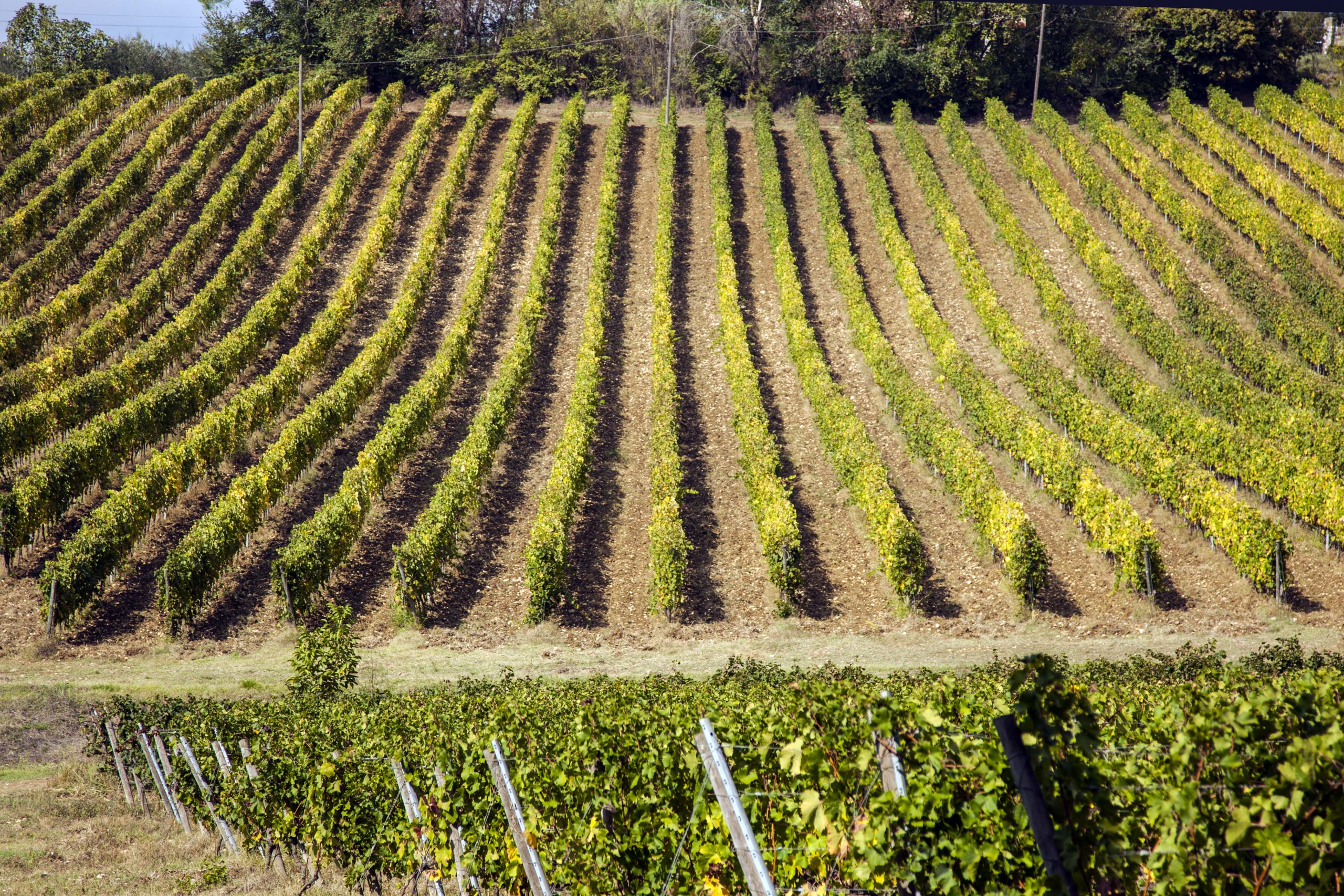
The Lamezia DOC wine region stretches around the Piana Lametina (the Lamezia plain) between the Tyrrhenian coast (Gulf of Sant’Eufemia) and inland elevations—an area shaped by airflow, maritime moderation, and changing exposures. The production zone includes parts of multiple communes (including Lamezia Terme and neighboring municipalities such as Curinga, Falerna, Gizzeria, Maida, Pianopoli, San Pietro a Maida, plus Francavilla Angitola in Vibo Valentia). valoritalia.it+2Wikipedia+2
What this means in the glass: Calabrian ripeness without heaviness. Many Lamezia wine bottlings feel sunnier than wines from the north, yet noticeably fresher than you’d expect from this latitude—especially in the whites and sparkling styles. valoritalia.it
Lamezia DOC Grapes: Native Varieties for Every Style
Lamezia DOC is built on Calabria’s native grapes, with rules that allow both blends and varietal expressions.
White grapes (Bianco, Greco, Mantonico)
- Greco Bianco: bright citrus and stone-fruit energy, often with a salty, Mediterranean snap.
- Mantonico (Bianco): more texture and aroma—think white flowers, almond, and a gently honeyed depth (especially compelling in passito). Italian Wine Central+1
Red grapes (Rosso, Gaglioppo, Greco Nero)
- Gaglioppo: Calabria’s noble red—cherry fruit, herbs, structure, and real food-pairing grit.
- Greco Nero: depth, spice, darker fruit tones—often used to build out blends.
- Supporting varieties appear in the disciplinare for certain styles (e.g., Magliocco, Marsigliana, and others depending on the type). sommelier-academy.de+1
Sparkling & sweet
- Spumante in Lamezia DOC must be made Metodo Classico (traditional bottle-fermented method). disciplinare.it
- Passito is made from dried grapes per appellation rules, delivering Calabria in concentrated, golden form. assovini.it+1
Winemaking & DOC Regulations
Understanding Lamezia DOC classifications helps you choose the right bottle—weekday white, structured red, celebration sparkling, or dessert-wine finale.
Highlights from the disciplinare and official summaries:
- DOC established: 1978. Wikipedia
- Styles authorized: Bianco, Rosso, Rosato, Novello, Passito, Spumante, Spumante Rosato, plus varietal types. valoritalia.it+1
- Spumante production: must be Metodo Classico. disciplinare.it
- Riserva (Rosso): requires extended aging (including time in wood and bottle), creating a deeper, more savory profile than standard Rosso. disciplinare.it+1
Practical buying cue: if you see “Riserva” on a Lamezia wine label, expect more structure, more savory complexity, and a more serious pairing partner.
Key Facts at a Glance
- Appellation: Lamezia DOC
- Region: Calabria (Catanzaro + Vibo Valentia) Wikipedia+1
- Established: 1978 Wikipedia
- Core white grapes: Greco Bianco, Mantonico Italian Wine Central+1
- Core red grapes: Gaglioppo, Greco Nero (plus others by type) sommelier-academy.de+1
- Wine styles: White, red, rosé, novello, passito, spumante (Metodo Classico) valoritalia.it+1
- Signature angle: a rare multi-style DOC in Calabria valoritalia.it
What Does Lamezia DOC Wine Taste Like?
Lamezia wine is all about Calabria’s duality: sun + breeze, richness + refreshment.
Whites (Bianco / Greco / Mantonico)
- Aromas: lemon zest, white peach, orange blossom, wild herbs
- Palate: medium body, brisk acidity, sometimes a lightly almondy finish (especially with Mantonico) assovini.it+1
Compared to: fresher and more coastal-feeling than many southern whites; a cousin in spirit to Vermentino, but with Calabrian soul.
Rosso (and Rosso Riserva)
- Aromas: sour cherry, dried Mediterranean herbs, pepper, hints of leather/tobacco with age
- Palate: firm structure, food-ready tannin, savory finish; Riserva goes deeper and more layered. disciplinare.it+1
Compared to: less heavy than many warm-climate reds; if you like structured, herbal reds, this is a smart detour.
Spumante (Metodo Classico)
- Aromas: citrus, green apple, floral notes, subtle breadiness from lees aging
- Palate: dry, bright, and textured—more “serious” than tank-method fizz. disciplinare.it
Passito
- Aromas: dried apricot, honey, candied citrus peel, roasted nuts
- Palate: sweet but balanced, with a long, glowing finish. Falstaff+1
How to Serve Lamezia Wine & Food Pairings
Lamezia wine is quietly brilliant at the table—coastal whites for seafood, structured reds for Calabrian comfort food.
- Whites: 8–10°C (46–50°F)
Pair with grilled fish, calamari, pasta with clams, fresh cheeses, citrusy salads. - Rosato: 10–12°C (50–54°F)
Pair with salumi, spicy dishes (hello, ’nduja), pizza, grilled vegetables. - Reds: 16–18°C (60–64°F)
Pair with lamb, sausage, tomato-based ragù, mushrooms, aged pecorino. - Metodo Classico: 6–8°C (43–46°F)
Pair with fried seafood, salty snacks, aperitivo boards. - Passito: 10–12°C (50–54°F)
Pair with almond desserts, blue cheese, or simply after dinner. disciplinare.it+2assovini.it+2
Where to Buy Lamezia DOC Wine (Prices & Producers)
Because production is relatively small, Lamezia wine can be sporadic outside Italy—but it does show up through specialty retailers and import channels.
Typical pricing (broad market guidance)
- Still whites/rosato: often around €9–€18 depending on producer and market Fish&Wine Store+1
- Rosso / Riserva: commonly in the “mid-teens to low-30s” range depending on aging and availability Vias Imports+1
- Passito: frequently priced higher and sometimes sold in smaller formats Falstaff+1
Producers to look for (verified Lamezia DOC bottlings)
- Statti (Lamezia Terme) — A benchmark name with multiple Lamezia DOC wines (Bianco, Rosso, Rosato, Riserva, Passito) and strong critical visibility. Statti+2Falstaff+2
- Cantine Lento (Lamezia Terme) — Known for Lamezia DOC bottlings including Greco Bianco; appears in international retail ecosystems (availability varies by vintage). Wine.com+2NegozioDelVino+2
Where to shop
- Specialty Italian wine retailers (online and in-store) with southern Italy selections
- Importer portfolios (producer pages can hint at which markets get allocation) Vias Imports
- Price/availability aggregators (helpful for tracking who has stock as allocations move)
Pro move: search by style—“Lamezia Greco,” “Lamezia Mantonico,” “Lamezia Rosso Riserva,” “Lamezia Passito.”
FAQ on Lamezia DOC
Is Lamezia DOC mostly red or white?
Both. Lamezia DOC is designed for range—whites (Greco Bianco, Mantonico) and reds (Gaglioppo, Greco Nero), plus rosato, sparkling, and passito. valoritalia.it+1
Does Lamezia DOC allow sparkling wine?
Yes—Spumante and Spumante Rosato are allowed, and the disciplinare specifies Metodo Classico production. disciplinare.it+1
What does “Riserva” mean on a Lamezia Rosso label?
It signals extended aging (including time in wood and bottle), producing a more structured, complex expression than standard Rosso. disciplinare.it+1
Is Lamezia wine sweet or dry?
Most Lamezia wine is dry (white, red, rosato, spumante). The sweet outlier is Passito, made from dried grapes. valoritalia.it+1
How does Lamezia compare to Cirò DOC?
Cirò is Calabria’s best-known DOC and is strongly associated with Gaglioppo-led reds. Lamezia DOC is typically smaller and more stylistically broad—whites, reds, rosato, Metodo Classico, and passito under one umbrella. valoritalia.it+1
Can Lamezia wines age?
- Most whites/rosato: best within ~2–3 years for freshness
- Rosso: often drinks well young, with some bottles developing over a few years
- Riserva & Passito: the most age-capable styles in the DOC disciplinare.it+1
Where is Lamezia Terme—and can I visit wineries?
Lamezia Terme is a central transport hub in Calabria (including an airport), making it one of the easier Calabrian wine areas to reach. Several producers welcome visitors by appointment. ioelacalabria.it+1
What’s the best “first bottle” of Lamezia DOC?
Start with a Greco Bianco-based white if you love freshness and seafood—or a Rosso if you want Calabria’s savory, structured side in a daily-drinking format. Italian Wine Central
Curious about Calabria beyond the usual suspects? Lamezia wine is a brilliant place to start—especially if you love bottles that overdeliver on personality.Tell us in the comments: would you begin with a zesty Greco Bianco white, a savory Lamezia Rosso, or go straight for the curveball—Metodo Classico or Passito? And if you’ve found a great Lamezia producer beyond Statti and Lento, share it—we’ll add community favorites to the guide.
Have fun to learn more about Italian Wines and Spirits! Explore also the non-alcoholic beverages
Send us an email if you want to suggest edits, or if you are looking for more info, at
cheers@drinkitalian.com
If you are in the mood for a good book, you can try:
– The Modern History of Italian Wine by Walter Filipputti
– Hidden Gems of Italy: An Insider’s Secret Formula To Find Top-Class Italian Wines At Value Prices And Taste La Dolce Vita by Tony Margiotta
Additionally, you can discover the other wines from Calabria.