Table of Contents
Portofino DOC at a Glance
Official name: Golfo del Tigullio–Portofino DOC (also labeled Portofino DOC)
Where: Italian Riviera (Province of Genova, Liguria)—from coastal villages to inland valleys
Signature vibe: Heroic coastal viticulture—terraces, sea breezes, hand work
Key grapes (white): Vermentino, Bianchetta Genovese, Scimiscià (Cimixà), Moscato Bianco
Key grapes (red/rosé): Ciliegiolo, Dolcetto
Styles: Still, frizzante, spumante, passito, novello (unusually versatile for a small coastal DOC)
Typical price: ~€15–40+ (higher for rare varietal bottlings and passito)
Best for: Seafood, pesto, focaccia, aperitivo culture, and “wines that taste like the sea”
What is Portofino DOC?
Picture the Italian Riviera in full cinema mode: pastel harbors, basil on the breeze, cliffs dropping into turquoise water. Now imagine that—quietly, stubbornly—people are also growing grapes here.
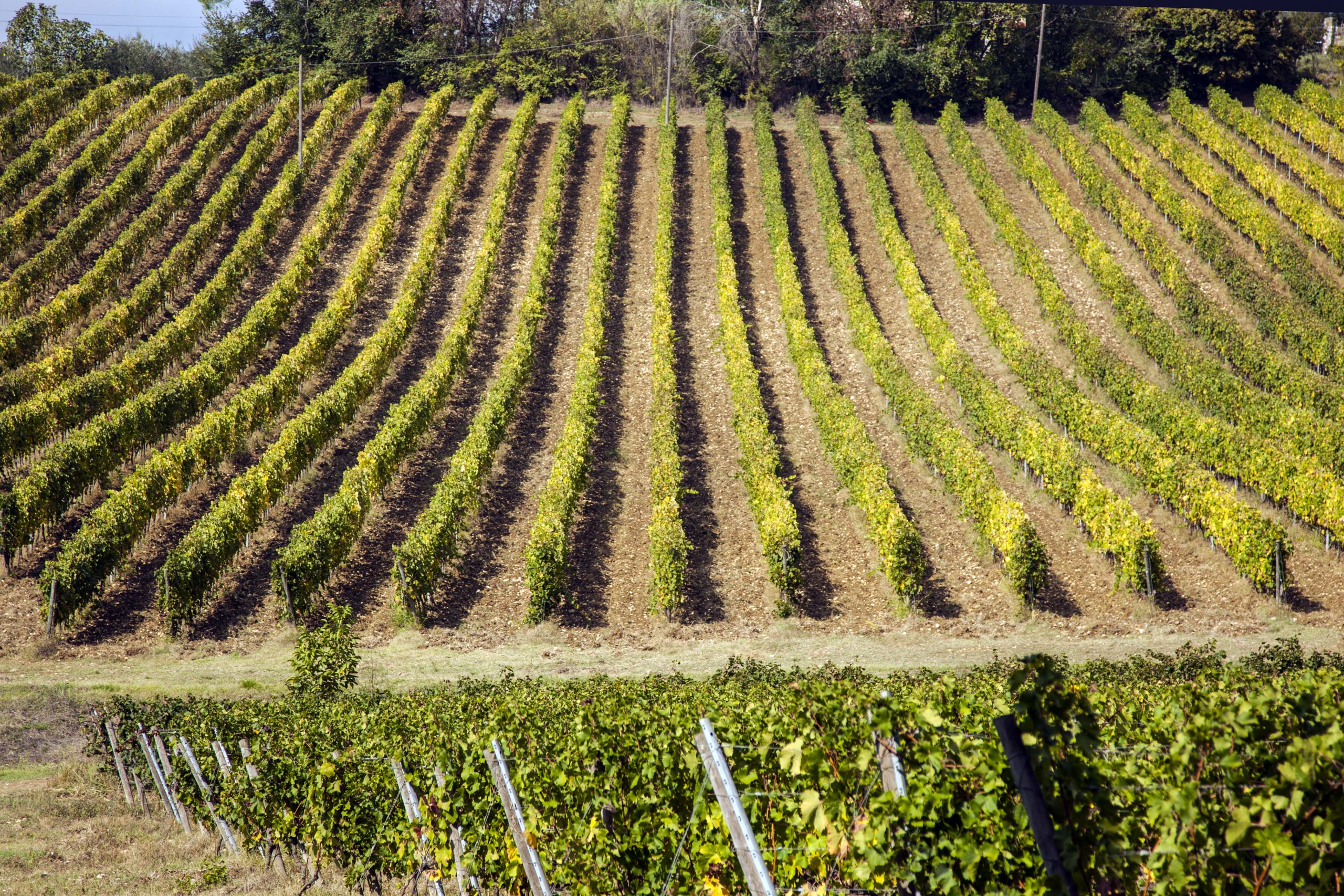
Portofino DOC (officially Golfo del Tigullio–Portofino DOC) is Liguria’s “glamour-meets-grit” appellation: wines born on steep coastal hillsides and bright inland slopes around the Gulf of Tigullio and the Portofino promontory. These wines aren’t about weight or muscle. They’re about freshness, salinity, herb-scented lift, and the kind of food-friendly tension that makes you want “just one more bite” of pesto pasta.
DOC (Denominazione di Origine Controllata) is Italy’s quality certification system—meaning Portofino DOC wines must come from a defined area and follow specific production rules.
Why drink Portofino DOC wines?
- They taste like place: sea breeze, wild herbs, sun-warmed stone
- They spotlight rare grapes: especially Bianchetta Genovese and Scimiscià
- They’re made for the table: pesto, seafood, focaccia, grilled vegetables
- They reward curiosity: a coastal Italian wine most people visit without realizing they can drink
History and Origins
Portofino DOC is relatively young as an official designation, but its roots feel older than paperwork. In this part of Liguria, wine historically lived as a local food culture product—grown on family plots, poured at home, and paired with the region’s famously ingredient-driven cuisine.
The modern DOC framework helped protect a fragile reality: viticulture here is difficult. These are terraces and slopes where “mechanization” often means “a strong back and good boots.” Without formal recognition—and the economic value it can create—many vineyards risk being abandoned to scrub, forest, or (in a place like the Riviera) development pressure.
Today, Portofino DOC sits at an interesting crossroads:
- preserving coastal terrace traditions,
- reviving local varieties, and
- speaking a more modern language of clean, bright, mineral wines.
Where It’s Made: Geography & Terroir
Where is Portofino DOC located?
The DOC covers a broad swath of the Province of Genova, spanning coastal communes (the postcard towns) and inland valleys (where vines climb toward the Apennines). In practical terms, it’s “Riviera di Levante wine country,” anchored by the Gulf of Tigullio and the Portofino peninsula.
Terroir characteristics
Portofino DOC’s signature comes from three forces:
1) Maritime influence
Sea breezes help keep vineyards ventilated and aromatics vivid, and they contribute to the “salty” impression many tasters love in Ligurian whites.
2) Topography = heroic viticulture
Terraces and steep gradients mean handwork is common. Lower yields and higher labor tend to translate into premium pricing—but also intensity and character.
3) Rocky, well-drained soils
Stony, mixed soils and strong drainage encourage vines to dig deep—often giving whites that mineral, savory finish that feels tailor-made for anchovies, shellfish, and pesto.
Terroir takeaway: Portofino DOC wines are usually bright, savory, and coastal—less about power, more about precision and appetite.
The Grapes
White grapes: the coastal heartbeat
- Vermentino: citrus, stone fruit, Mediterranean herbs, often a subtly bitter-almond finish.
- Bianchetta Genovese: rarer and more delicate—often more saline and restrained than Vermentino.
- Scimiscià (Cimixà): a hyper-local variety you’ll almost never see outside Liguria; when bottled well, it’s like a coastal white whispered rather than shouted.
- Moscato Bianco: used for Moscato and Moscato Passito expressions—aromatic, floral, and (in passito) richly concentrated.
Red & rosé grapes: light, bright, food-first
- Ciliegiolo: cherry-fruited, soft tannins, easy-drinking; excellent as rosato too.
- Dolcetto: adds darker fruit and a gentle bitter edge in blends.
Winemaking & DOC Regulations
Portofino DOC is unusually versatile. Depending on the label, you’ll see:
- Bianco (still, frizzante, spumante, passito)
- Rosso (still, frizzante, novello)
- Rosato (still, frizzante)
- Varietal styles like Vermentino, Bianchetta Genovese, Scimiscià, Ciliegiolo
- Moscato and Moscato Passito
In spirit, the best producers aim for aromatic clarity and food-friendly tension—often using stainless steel or neutral vessels to keep the coastline’s freshness front and center.
Key Facts at a Glance
| Category | Details |
| Region | Liguria (Province of Genova) |
| Also called | Portofino DOC |
| Subzone | Costa dei Fieschi (appears on some labels) |
| Styles | Still, frizzante, spumante, passito, novello |
| Best “tell” | Saline finish + herb lift in whites |
What Does Portofino DOC Wine Taste Like?
Portofino DOC Bianco
Lemon zest, white flowers, Mediterranean herbs, sea-spray minerality. Dry, crisp, savory—made for aperitivo and seafood.
Portofino DOC Vermentino
More aromatic and fruit-driven than Bianco: citrus, peach, herbs, with a clean, slightly bitter finish that loves olive oil and basil.
Portofino DOC Bianchetta Genovese
The insider pick: delicate florals, citrus, pronounced salinity, and a quietly mineral, “thin-line” finish. Elegant rather than loud.
Portofino DOC Rosso / Ciliegiolo
Fresh cherry, gentle spice, soft tannins. Light-to-medium body, easy at the table—think grilled fish, tomato pasta, or focaccia with salumi.
Moscato Passito
Orange blossom, dried apricot, honeyed citrus, and a balancing freshness that keeps it from feeling heavy. Try it with almond desserts—or blue cheese for contrast.
Portofino DOC vs Cinque Terre vs Other Ligurian Whites
If you like the Ligurian coast, you’ll run into multiple “sea-and-stone” expressions. Here’s a practical comparison:
| Appellation | Main Grapes | Style | Best For |
| Portofino DOC | Vermentino, Bianchetta, Scimiscià, Ciliegiolo | Broad range; often saline, herb-scented | Food pairing, variety, discovering rare grapes |
| Cinque Terre DOC | Bosco-based blends | Very coastal, often intensely mineral | Iconic terroir whites, travel nostalgia |
| Riviera Ligure di Ponente DOC | Pigato, Vermentino | Aromatic whites with texture | White wine lovers who want perfume + bite |
Best Portofino DOC Producers to Try
Portofino DOC is small and patchwork, so “top producers” is as much about spotting the right names as it is chasing scores.
Producers to look for (reliably connected to Portofino/Portofino DOC bottlings):
- Bisson (incl. Enoteca Bisson) – A key name for Tigullio/Portofino wines; often excellent with local varieties and coastal character.
- Azienda Agricola Pino Gino – Strong presence with multiple Portofino DOC styles (including whites and Ciliegiolo).
- Cantine Levante (Segesta Tigulliorum label) – Known for bottlings tied to the Tigullio area; a useful “availability” name in local retail.
Shopping tip: Search using both terms—“Portofino DOC” and “Golfo del Tigullio–Portofino DOC.” Retailers aren’t always consistent.
How to Serve & Pair Portofino DOC Wine
How to serve
- Whites / rosato: 8–10°C (46–50°F)
- Light reds: 14–16°C (57–61°F), slightly cool
- Decanting: rarely needed; a few minutes in the glass does plenty
Best food pairings for Portofino DOC
This is Liguria’s superpower: wines engineered by culture to match cuisine.
Perfect matches:
- Trofie al pesto or trenette al pesto
- Focaccia (plain, onion, or cheese-filled styles)
- Anchovies, shellfish, grilled calamari
- Cappon magro (for structured whites)
- Vegetable tarts and herb-forward dishes (borage, marjoram, rosemary)
- Tomato pasta + Ciliegiolo (especially in summer)
Where to Buy & Pricing
Because production is small and labor is high, Portofino DOC often sits in a premium everyday tier rather than bargain territory.
Typical pricing (general ranges):
- Bianco / Rosato: ~€15–25
- Varietal whites (Bianchetta/Vermentino/Scimiscià): ~€20–35
- Passito: ~€25–40 (often smaller formats)
- Rare or special bottlings: €35–50+
Where to buy:
- In Liguria: enoteche in Chiavari, Sestri Levante, Rapallo, Santa Margherita Ligure; winery-direct if visiting
- Outside Italy: specialist Italian wine retailers; price/availability varies a lot—use search aggregators to locate bottles
FAQ on Portofino DOC
What does “Portofino DOC” mean?
Portofino DOC is the common label name for Golfo del Tigullio–Portofino DOC, a protected Ligurian appellation covering wines made in the Tigullio/Portofino area under DOC production rules.
What grapes are used in Portofino DOC wines?
Key whites include Vermentino, Bianchetta Genovese, Scimiscià (Cimixà), and Moscato Bianco. Reds/rosés feature Ciliegiolo and Dolcetto, depending on the style.
What does Portofino DOC wine taste like?
Most Portofino DOC wines lean fresh, savory, and coastal—think citrus, herbs, and a saline finish in whites; cherry and soft tannins in reds; bright, dry refreshment in rosato.
Is Portofino DOC rare?
Yes—relative to major Italian DOCs, production is small and distribution can be limited, especially outside Italy.
Are there sparkling and passito styles?
Yes. Portofino DOC includes frizzante, spumante, and passito styles, which is part of what makes the appellation unusually versatile.
How do you pronounce it?
Portofino: por-toh-FEE-no.
Tigullio: tee-GOOL-yoh.
Fun Facts & Cultural Notes
- Portofino’s glamour hides working hillsides. Behind the yachts and designer sunglasses, there’s still terrace agriculture—wine included.
- “Heroic viticulture” is literal here. Many sites demand hand work, which is why these bottles often cost more than you’d expect from a “simple coastal white.”
- Bianchetta Genovese is a quiet flex. If you see it on a list, order it—few regions offer something so local yet so naturally suited to seafood and herbs.
- These wines are built for Ligurian cuisine. Not trophy wines—table wines with coastal intelligence.
Have you tried Portofino DOC—or discovered a favorite Ligurian coastal wine on a trip?
Drop a comment with the bottle (or the trattoria!) and tell us what you paired it with. And if you love rare coastal whites, bookmark this guide for your next aperitivo run.
Have fun to learn more about Italian Wines and Spirits! Explore also the non-alcoholic beverages
Send us an email if you want to suggest edits, or if you are looking for more info, at
cheers@drinkitalian.com
If you are in the mood for a good book, you can try:
– The Modern History of Italian Wine by Walter Filipputti
– Hidden Gems of Italy: An Insider’s Secret Formula To Find Top-Class Italian Wines At Value Prices And Taste La Dolce Vita by Tony Margiotta
Additionally, you can discover the other wines from Liguria.