Table of Contents
Introduction
Nestled in the heart of Trentino, in Italy’s alpine north, Casteller DOC is a little-known but captivating Italian red wine appellation. First recognized in 1974, this boutique denomination is built around Merlot—a grape that finds surprising elegance in these mountain valleys. Unlike the bold Teroldego Rotaliano or the widely distributed Trentino DOC, Casteller represents a softer, fresher side of Northern Italian wine, perfect for drinkers eager to discover an authentic local gem.
In this guide, we’ll explore Casteller DOC’s history, terroir, winemaking traditions, food pairings, top producers, and buying tips—everything you need to sip like a local in Trentino.
What is Casteller DOC?
Casteller DOC is a Merlot-based red wine blend from Trentino-Alto Adige. Known for its approachable style, ruby hue, and light, vinous character, it embodies the balance of alpine freshness and Mediterranean influence that defines much of Trentino wine culture.
History and Origins
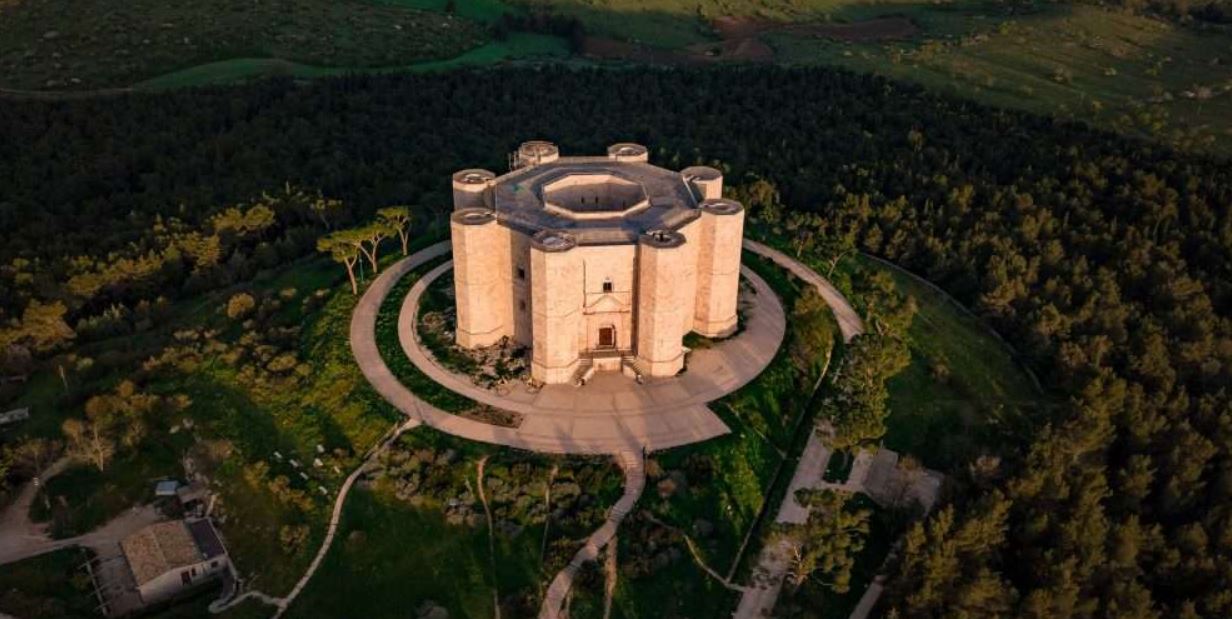
The Casteller DOC was officially established in 1974, but the area’s winemaking history is much older. Local cooperatives championed this appellation as a way to highlight Merlot’s adaptability in Trentino’s diverse soils, while still blending it with native grapes like Lagrein and Schiava. The name “Casteller” recalls the medieval castles (“castellieri”) that still dot the surrounding hills, evoking a sense of timeless tradition.
Where It’s Made: Geography & Terroir
- Location: Province of Trento, Trentino-Alto Adige, Northern Italy
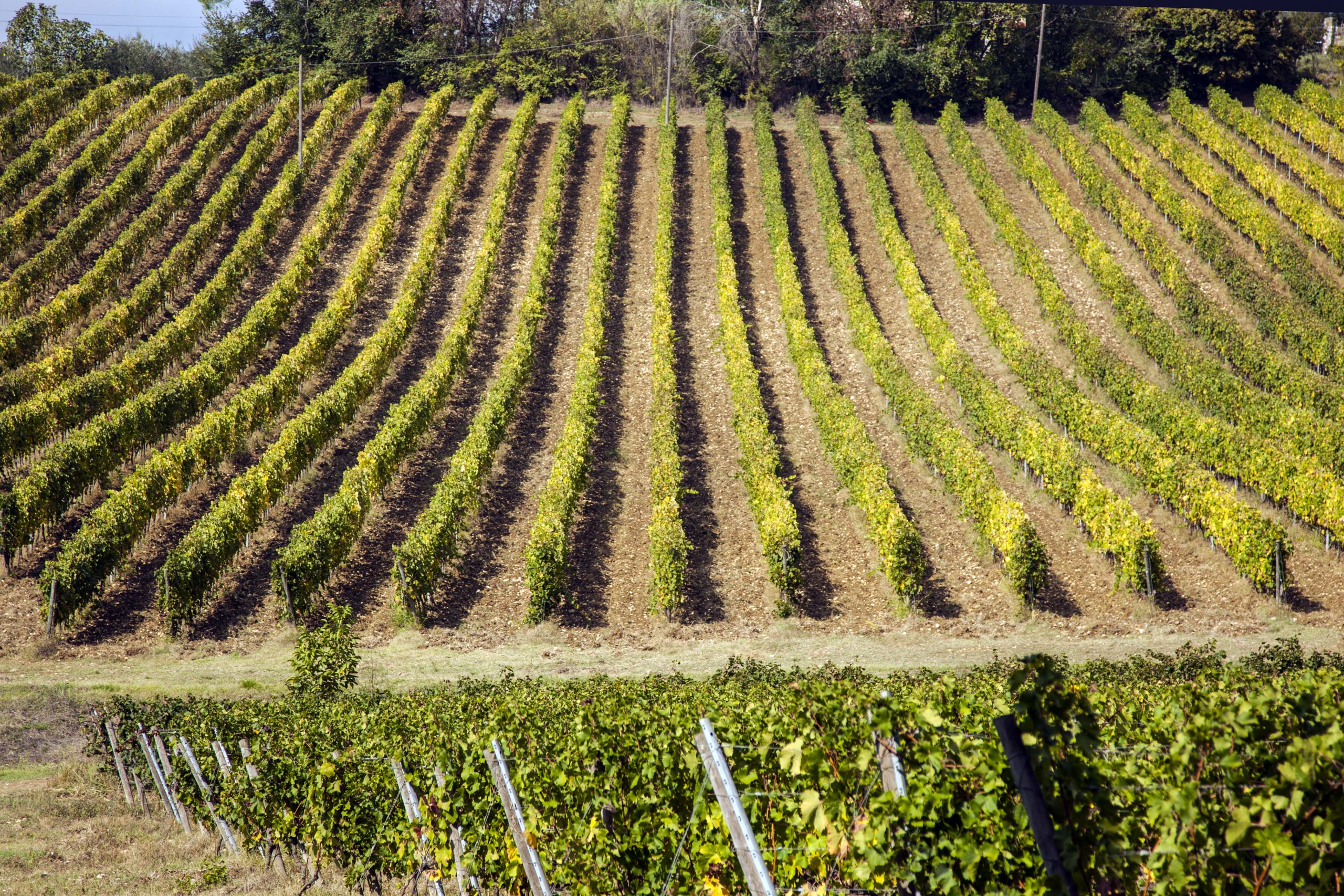
- Vineyards: Found on hillsides between 120–600 m elevation
- Soils: Calcareous, stony, and well-drained—perfect for healthy vines
- Climate: A rare mix of alpine coolness with Mediterranean warmth, moderated by the Adige River and nearby Lake Garda
This unique terroir allows Merlot to ripen fully while retaining freshness, giving Casteller DOC wines their balance of fruit and elegance.
The Grape (or Blend)
By law, Casteller DOC wines must be at least 50% Merlot, while the remaining portion can be made up of:
- Lagrein – adds depth and tannic structure
- Lambrusco a Foglia Frastagliata (Enantio) – contributes freshness and acidity
- Schiava (Gentile or Grossa) – lightens the body and adds floral tones
- Teroldego – a local star grape, adding darker fruit and spice
This makes Casteller DOC one of Italy’s most fascinating Merlot blends.
Winemaking & DOC Regulations
- DOC Recognition: 1974
- Minimum ABV: 11.0%
- Vineyard Altitude: Up to 600 m
- Aging: No strict minimum; most wines are made for early drinking
- Latest Rule Update: 2014 disciplinary adjustment
The DOC emphasizes freshness and balance over heavy oak or long aging, making Casteller DOC a wine meant to be enjoyed young.
Key Facts at a Glance
| Feature | Detail |
| Region | Trentino, Northern Italy |
| Established | 1974 (DOC status) |
| Vineyard Area | ~10 hectares (25 acres) |
| Annual Production | ~1,980 hl (~22,000 cases) |
| Grapes | ≥50% Merlot, ≤50% Lagrein, Lambrusco, Schiava, Teroldego |
| Style | Ruby red, light to medium body, fresh and vinous |
| Best Drinking Window | Within 2–3 years for freshness |
Tasting Notes
- Appearance: Ruby red, sometimes with purple highlights
- Aromas: Fresh red berries, plum, light herbs, subtle earth
- Palate: Dry, balanced, harmonious with gentle tannins
- Style: Drinkable and versatile—more about freshness than power
Serving & Pairing
Serve at 14–16 °C, slightly cooler than bigger reds, to highlight freshness.
Perfect pairings include:
- Local Trentino sausages with sauerkraut (Biroldi con Crauti)
- Carni bollite (meats stewed in wine and vegetables)
- Mushroom risotto, roasted poultry, and mild alpine cheeses
Best Casteller DOC Producers
Though small, the appellation has producers worth seeking:
- Cantina Sociale di Trento – a cooperative with consistent quality
- Cavit – large-scale, approachable examples available internationally
- Azienda Agricola Zanini Luigi – smaller-scale producer focusing on terroir-driven styles
Casteller DOC vs. Other Trentino Wines
- Casteller DOC vs. Teroldego Rotaliano: Casteller is lighter, more fruit-driven; Teroldego is darker, more structured.
- Casteller DOC vs. Trentino DOC Merlot: Casteller requires blending with local grapes, making it more distinctly regional.
- Casteller DOC vs. Lagrein DOC (Alto Adige): Lagrein offers bolder tannins and spice, while Casteller remains smooth and approachable.
Where to Buy Casteller DOC Online
Availability is limited due to its small vineyard size. Look to:
- Wine-Searcher for listings
- Italian specialist importers and cooperatives (like Cavit or Cantina Sociale di Trento)
- Online retailers offering Northern Italian wines in broader selections
Pricing: Usually €8–15 ($9–18 USD), making it a very accessible boutique Italian red wine.
Casteller DOC Wine Reviews
- Wine Enthusiast: Often scores around 85–88 points for Cavit bottlings
- Wein-Plus: Describes Casteller as “vinous, fresh, and delicate, with a harmonious profile”
- Local sommeliers in Trento: Highlight its charm as a versatile food wine
FAQ on Casteller DOC
- Q: Is Casteller DOC only made with Merlot?
A: No, it must be at least 50% Merlot but includes local grapes like Lagrein and Teroldego. - Q: Can I age Casteller DOC?
A: Best enjoyed young, within 2–3 years of vintage. - Q: Is Casteller DOC widely exported?
A: Not widely—mostly found in Northern Italy and select importers abroad.
Fun Facts & Cultural Notes
- The name “Casteller” recalls the castles dotting Trentino’s hills.
- With only 10 hectares under vine, it’s one of Italy’s smallest DOCs.
Cooperatives play a big role in preserving this wine’s tradition.
Have you ever tried Casteller DOC? Share your tasting experience or favorite Trentino wine in the comments below. And if you’re planning a trip to Northern Italy, add Casteller to your wine discovery list—it’s a true hidden gem waiting to be uncorked.
Have fun to learn more about Italian Wines and Spirits! Explore also the non-alcoholic beverages
Send us an email if you want to suggest edits, or if you are looking for more info, at
cheers@drinkitalian.com
If you are in the mood for a good book, you can try:
– The Modern History of Italian Wine by Walter Filipputti
– Hidden Gems of Italy: An Insider’s Secret Formula To Find Top-Class Italian Wines At Value Prices And Taste La Dolce Vita by Tony Margiotta
Additionally, you can discover the other wines from Trentino Alto Adige.