Table of Contents
What is Ansonica Costa dell’Argentario DOC?
Ansonica Costa dell’Argentario DOC is a coastal Tuscan wine appellation celebrated for its bright, Mediterranean white wines made primarily from the Ansonica grape, also known as Inzolia. Located along the rugged shores of southern Tuscany and the islands of Giglio and Elba, these wines capture the salty breeze of the Tyrrhenian Sea in the glass. They’re fresh, sun-kissed, and deeply tied to Tuscan island life.
History and Origins
The Ansonica grape has ancient roots, with origins tracing back to Sicily, where it is still widely cultivated. In Tuscany, it found a second home centuries ago, thriving along the Argentario coast and Giglio Island. By the 1990s, the Italian government officially recognized the region’s unique maritime expression with DOC status (1995). Today, Ansonica Costa dell’Argentario represents the Tuscan sea’s enduring dialogue between grape, salt air, and stone.
Where It’s Made: Geography & Terroir
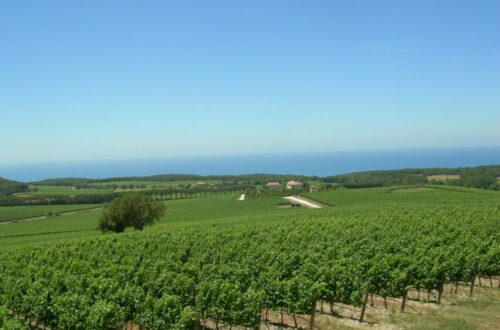
The appellation spans the Argentario Peninsula, Monte Argentario, Orbetello, and neighboring islands, all kissed by intense Mediterranean sunlight. Vineyards cling to coastal hillsides, with soils of sand, granite, and clay that impart minerality. Constant breezes from the Tyrrhenian Sea keep vines cool, preserving acidity, while the maritime influence leaves a subtle saline note in the wines.
The Grape (or Blend)
- Primary grape: Ansonica (minimum 85%)
- Allowed blending grapes: Up to 15% of other white varieties (Trebbiano, Vermentino, Malvasia)
The Ansonica grape produces wines with medium body, golden hues, and notes of citrus, herbs, and sea spray.
Winemaking & DOC Regulations
- DOC Established: 1995
- Minimum Ansonica content: 85%
- Styles: Still dry white wines, with occasional late-harvest expressions
- Alcohol: Typically 11–12.5% ABV
- Aging: Most wines are fresh and youthful, though some producers experiment with oak for added texture
Key Facts at a Glance
| Attribute | Detail |
| Region | Tuscany – Argentario Coast & Islands |
| Main Grape | Ansonica (Inzolia) |
| DOC Status | 1995 |
| Wine Style | Dry white |
| Typical Price Range | $15–$30 |
| Flavor Profile | Citrus, Mediterranean herbs, saline minerality |
Tasting Notes
Expect citrus zest, yellow apple, almond, and wild herbs on the nose. On the palate, Ansonica Costa dell’Argentario wines are crisp yet textured, balancing ripe fruit with coastal minerality. The finish is often marked by a pleasant almond-bitter note, reminiscent of Tuscan aperitifs.
Serving & Pairing
Serve chilled (10–12°C) in a tulip glass. These wines shine alongside:
- Seafood classics: grilled octopus, baccalà, or spaghetti alle vongole
- Tuscan fare: pappa al pomodoro, white bean crostini
- Cheeses: young pecorino, fresh mozzarella
Think of it as the quintessential island lunch wine.
Where to Buy & Pricing
Most bottles retail between $15–$30, with boutique producers reaching $40+. Look for importers specializing in Tuscan coastal wines or online retailers such as Wine-Searcher or Eataly.
FAQ on Ansonica Costa dell’Argentario DOC
Is Ansonica the same as Inzolia?
Yes—Inzolia is the Sicilian name for the same grape.
Are these wines aged in oak?
Traditionally no, though some modern producers experiment with neutral oak or amphora.
Is it similar to Vermentino?
Both are Mediterranean whites, but Ansonica tends to be rounder, with more herbal and almond notes.
Fun Facts & Cultural Notes
- Island Roots: The grape thrives on Giglio Island, where viticulture is still largely manual due to steep slopes.
- Seafarer’s Wine: Historically, fishermen drank Ansonica with their daily catch.
- Golden Glasses: The wines often carry a deeper golden color than typical whites—perfect for Tuscan sunsets by the sea.
CTA for Audience Engagement
🍋✨ Have you tried Ansonica Costa dell’Argentario DOC? Share your favorite seaside pairing with #DrinkItalianDOC and join our global community of culturally curious wine lovers.