Key Facts at a Glance
- Pronunciation: Neh-groh-ah-MAH-roh dee TEH-rah doh-TRAHN-toh
- Region: Salento Peninsula, Puglia (Brindisi, Lecce, Taranto)
- DOC Established: 2011
- Grape Requirement: Minimum 90% Negroamaro
- Styles: Rosso, Riserva, Rosato, Rosato Frizzante/Spumante
- Alcohol Range: 11.5–13%+ depending on style
- Annual Production: ~15,700 cases (5-yr avg.)
- Notable Feature: Among Italy’s newest DOCs, yet rooted in a 2,600-year grape legacy
Table of Contents
What is Negroamaro di Terra d’Otranto DOC?
Hidden in Italy’s sun-scorched heel, a 2,600-year-old grape variety produces some of Puglia’s most expressive wines. Negroamaro di Terra d’Otranto DOC celebrates this ancient native grape, offering robust reds and refreshing rosati that embody the Mediterranean soul of Salento. Recognized as a DOC in 2011, it represents both continuity with history and a modern Pugliese renaissance.
History and Origins
Ancient Greek Roots
The story of Negroamaro stretches back to the 6th century BC, when Greek settlers brought vines to southern Puglia. The grape’s name — “black bitter” — hints at its dark color and rustic edge, though many now read it as “black of the Greeks” (niger + mavros).
Modern Recognition
Though cultivated for centuries, Negroamaro di Terra d’Otranto DOC was only established in 2011 to protect the identity of wines made primarily from Negroamaro across Lecce, Brindisi, and Taranto. It complements better-known neighbors like Salice Salentino DOC and Primitivo di Manduria DOC, while emphasizing terroir and stylistic finesse.
Where It’s Made: Geography & Terroir
The Terra d’Otranto zone encompasses the Salento peninsula, framed by the Adriatic and Ionian Seas.
- Climate: Hot, dry Mediterranean summers; cooling coastal breezes preserve acidity.
- Soils: Clay-limestone and “terra rossa” (iron-rich red soils) offer drainage and minerality.
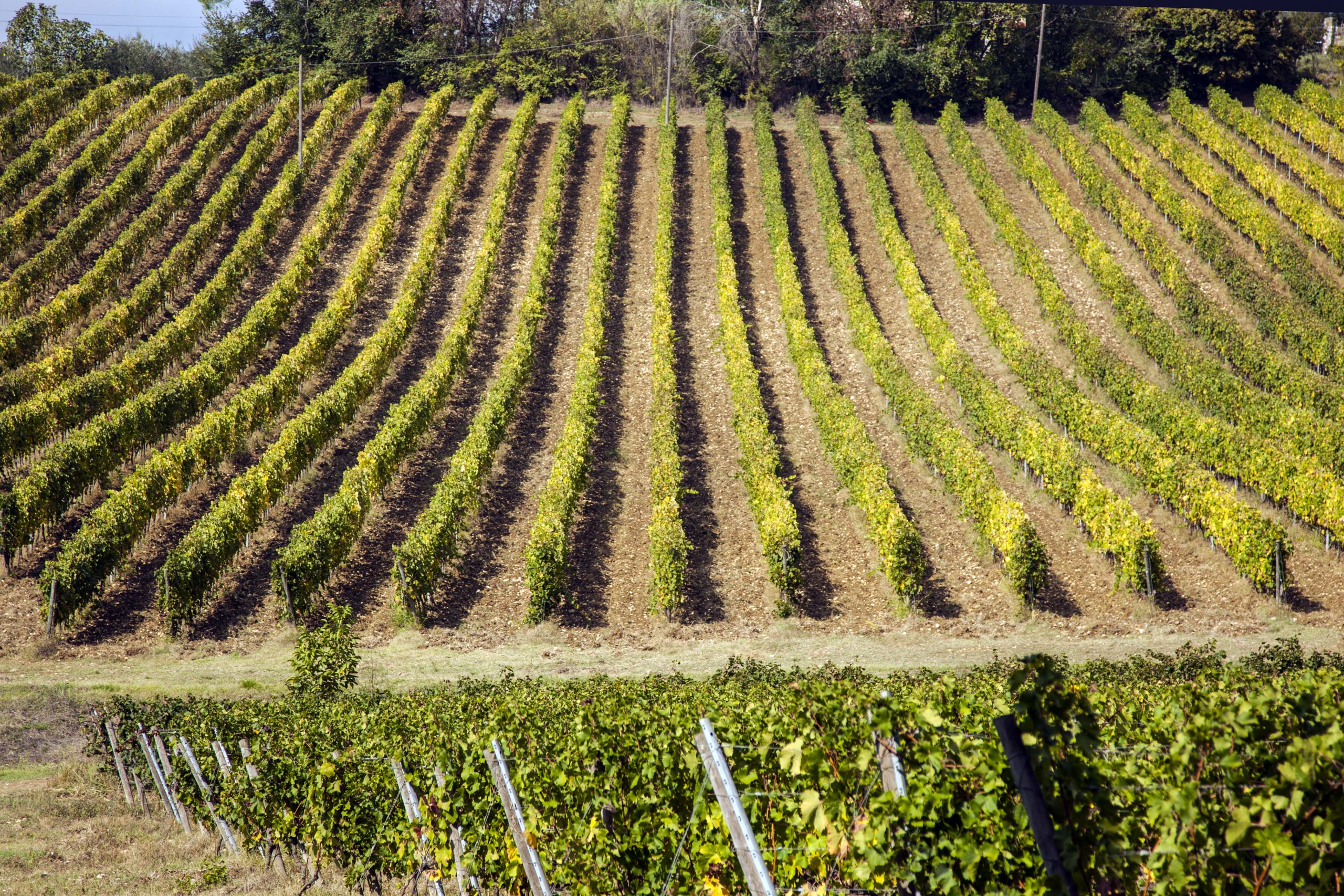
- Topography: Mostly flat or gently sloping vineyards; traditional bush-trained vines (alberello) protect fruit from sun scorch.
This combination yields wines of depth, concentration, and balance, often with a refreshing maritime influence.
The Grape: Negroamaro
Negroamaro is Puglia’s signature black grape, celebrated for:
- Color: Intense ruby to garnet
- Aromas: Black cherry, plum, wild berries, tobacco, Mediterranean herbs
- Palate: Medium-to-full bodied, moderate tannins, earthy spice, often a subtle bitter note
In rosato styles, it shows a lively, floral, red-berry personality, sometimes with sparkling freshness in frizzante/spumante versions.
Winemaking & DOC Regulations
| Style | Negroamaro % | Min. Alcohol | Notes |
| Rosato | ≥ 90% | 12% | Fresh, vibrant; ERD Jan 1 of V+1 |
| Rosato Frizzante/Spumante | ≥ 90% | 11.5% | From light fizz to fully sparkling |
| Rosso | ≥ 90% | 12.5% | Structured, age-worthy |
| Riserva | ≥ 90% | 13% | Must age ≥ 2 years (wood + bottle) |
Residual sugar capped at ~10 g/L ensures balance across all styles.
Tasting Notes
- Rosso: Deep ruby; aromas of dark cherry, plum, tobacco; full yet balanced with earthy spice and a lingering bitter-sweet finish.
- Riserva: More complex, with leather, cocoa, balsamic, and tertiary notes after oak aging.
- Rosato: Coral-pink; aromas of strawberry and rose petals; crisp, fruit-driven palate.
- Rosato Frizzante/Spumante: Light, sparkling pink; lively red-berry fruit; ideal as an aperitivo.
Serving & Pairing
- Rosso/Riserva: Serve at 16–18 °C with grilled lamb, wild boar, orecchiette with ragu, aged pecorino.
- Rosato/Spumante: Serve at 10–12 °C with seafood pasta, burrata, tomato-based dishes, antipasti.
Seasonal tip: Enjoy rosati in summer by the sea; cellar Riserva reds for autumn game feasts.
Best Producers of Negroamaro di Terra d’Otranto (2025)
While production remains small, quality-focused wineries are elevating the DOC:
- Cantina Supersanum (Ruffano): Known for bush-vine Negroamaro and terroir-driven reds.
- Cantina San Donaci (Brindisi): Historic cooperative producing robust yet elegant Rosso.
- Feudi di Guagnano (Lecce): Noted for Riserva bottlings with oak finesse.
Negroamaro vs. Primitivo
| Feature | Negroamaro | Primitivo |
| Color | Deep ruby/garnet | Dark purple/inky |
| Aromas | Cherry, plum, herbs, tobacco | Blackberry, jam, spice |
| Palate | Earthy, structured, slight bitterness | Juicy, plush, higher alcohol |
| Ageing | Ages gracefully, esp. Riserva | Often bold, best young-to-medium term |
Where to Buy & Pricing
- Italy/Europe: €12–20 for rosato/rosso; €20–35+ for Riserva.
- Export markets (US/UK): Expect $25–50 depending on rarity.
- Online retailers: Check specialty importers of Puglia wines; search platforms like Wine-Searcher for availability.
Wine Tourism in Terra d’Otranto
Wine lovers can explore Negroamaro trails through Lecce and the Salento coast:
- Vineyard tours often combine tastings with olive oil mills.
- Many wineries host summer aperitivo concerts in the vineyard.
- Pair with Lecce’s baroque architecture and seaside escapes.
FAQ on Negroamaro di Terra d’Otranto DOC
Is it always 100% Negroamaro?
No — at least 90% Negroamaro, with up to 10% other grapes.
Does it age well?
Yes, especially Riserva reds (5–10 years).
What makes it different from Salice Salentino DOC?
Similar grape, but Terra d’Otranto leans more structured and terroir-specific.
Can I find sparkling versions?
Yes — rosato frizzante and spumante styles exist, though less common.
Fun Facts & Cultural Notes
- Traditional bush vines (alberello) are still widely used, a hallmark of Salento viticulture.
- The DOC’s name comes from the historic “Land of Otranto”, once part of the Kingdom of Naples.
- Local cuisine pairings include bombette pugliesi (stuffed meat rolls) and orecchiette con cime di rapa.
Ready to taste Puglia’s soul in a glass?
Share your favorite Negroamaro di Terra d’Otranto wines with us in the comments, or tag us on Instagram @DrinkItalian when you open your next bottle. Interested in visiting Salento? Check our upcoming Puglia Wine Travel Guide for curated vineyard tours and cultural experiences.
Have fun to learn more about Italian Wines and Spirits! Explore also the non-alcoholic beverages
Send us an email if you want to suggest edits, or if you are looking for more info, at
cheers@drinkitalian.com
If you are in the mood for a good book, you can try:
– The Modern History of Italian Wine by Walter Filipputti
– Hidden Gems of Italy: An Insider’s Secret Formula To Find Top-Class Italian Wines At Value Prices And Taste La Dolce Vita by Tony Margiotta
Additionally, you can discover the other wines from Puglia.