Table of Contents
What is Molise DOC?
Molise DOC (often labeled “del Molise DOC”) is the region-wide denomination for Molise—Italy’s smallest and most overlooked mainland region, a quietly mountainous Adriatic corner wedged between Abruzzo and Puglia that most wine drinkers can’t place on a map… which is precisely why it’s compelling. Established in 1998, Molise DOC is intentionally broad: a flexible framework that lets producers bottle indigenous varieties (Montepulciano, Aglianico, Trebbiano) and international grapes (Chardonnay, Cabernet Sauvignon, Merlot) under one consumer-friendly regional umbrella.
Unlike single-grape DOCs, Molise wine is a varietal buffet with rules: producers can release Montepulciano reds, Aglianico (including Riserva), crisp Trebbiano whites, Chardonnay sparklers, and even passito dessert wines under the same DOC designation. In plain Drink Italian terms: it’s a locals’-table denomination—honest, flexible, and built to be poured with food rather than worshipped under museum lighting.
History and Origins of Molise DOC Wine
Molise’s wine story is older than its modern political identity. Molise became a separate region after splitting from Abruzzo in the early 1960s, but the land’s agricultural life—vineyards included—has long been part of the Apennine–Adriatic corridor.
For much of the 20th century, Molise’s wines were often consumed locally or blended into neighboring regions’ output. That’s the practical reality of a small, rural region: you farm first, you brand later.
Molise DOC was created in 1998 as a deliberate solution to that reality: instead of fragmenting into many tiny zone-specific denominations, Molise built a single regional DOC that could protect origin while still allowing producers to bottle multiple grapes and styles. The disciplinare has since been updated (including a ministerial update in 2011), but the core philosophy stayed the same: flexibility + regional identity over rigid dogma.
Where It’s Made: Geography & Terroir
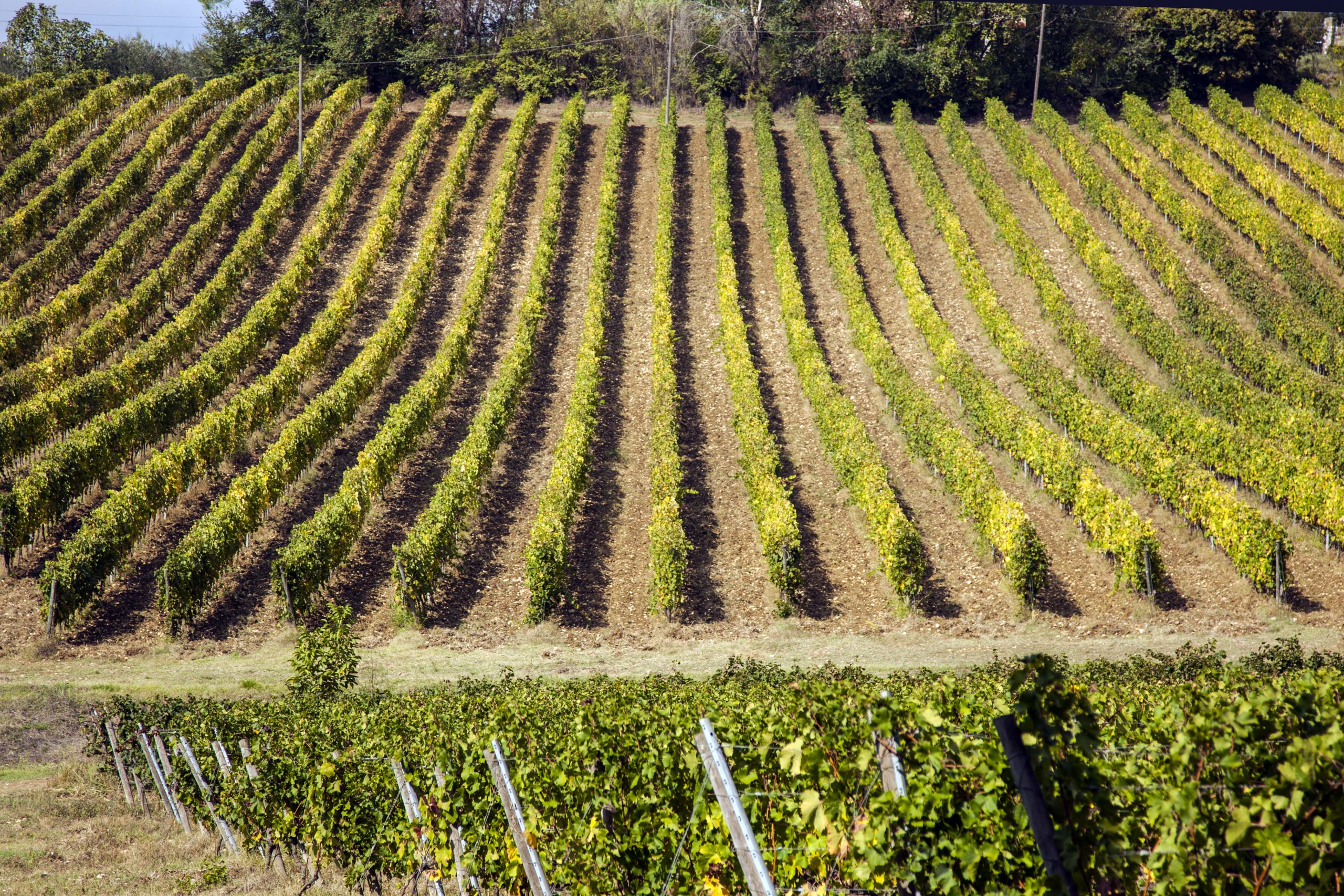
Molise is small but dramatically varied: a narrow Adriatic coastal strip, then hills, then the Apennines. Around 90% of the region is “upland” (hills/low mountains), which matters because elevation and airflow are the quiet engines of freshness in central-southern Italy.
Elevation and landscape (what you’ll actually feel in the glass)
Because Molise spans coast-to-mountains in short distances, you’ll see everything from near-sea-level vineyards (warmer, riper) to inland hill sites (cooler nights, better acid retention). The takeaway: Molise wine can taste sunnier than Abruzzo in the glass or surprisingly structured and fresh depending on site.
Climate cues (simple, buyer-useful version)
- Adriatic influence near the coast = brightness and lift
- Inland elevation + Apennine airflow = cooler nights and steadier structure
- Small region, big variation = producer and grape matter more than the DOC name alone
Soils (practical version)
Molise is largely a hills-and-mountains region with pockets of coastal lowland. Expect lots of limestone/clay logic in the interior (structure + acidity preservation) and more alluvial/coastal behavior closer to the Adriatic (ripeness + easy drinkability). The smart move: let the grape + producer guide you.
The Grapes: What Molise DOC Is Really About
Molise DOC works best when you read it like a menu: the variety tells you what you’re ordering; the DOC tells you where it’s from.
Indigenous anchors (the reason to care)
Montepulciano (Rosso)
Molise’s everyday workhorse red: dark cherry, plum skin, dried herbs, and a savory olive-ish edge, usually with food-ready tannins. Compared to many Montepulciano d’Abruzzo bottlings, Molise versions often feel a touch more rustic and “real-life trattoria,” less polished-glossy.
Aglianico (Rosso, including Riserva)
This is the serious option: darker fruit, pepper, leather/tobacco notes as it ages, and the firm tannin structure Aglianico is famous for. Molise Aglianico can be a sweet spot for buyers: Aglianico character without the price inflation of bigger-name regions.
Trebbiano (Bianco)
Crisp, uncomplicated, and quietly useful: lemon peel, green apple, clean finish. When it’s good, it’s the kind of white that makes fried foods and weeknight pasta feel more Italian.
The “don’t forget this exists” grape
Tintilia
Molise’s most distinctive grape—but it usually appears under its own denomination, Tintilia del Molise, rather than inside Molise DOC. Still, it deserves a mention because it’s the region’s calling card and a big reason Molise feels like a secret. (If you see Tintilia on a label, pay attention.)
International varieties (Molise’s pragmatic side)
Chardonnay shows up as still wine and sparkling styles; Cabernet Sauvignon and Merlot appear as familiar-profile reds for international buyers. This isn’t Molise “selling out”—it’s Molise being Molise: practical, small-scale, and willing to bottle what works.
Winemaking & DOC Regulations
Molise DOC is broad by design, covering:
- Still wines (reds, whites, rosés)
- Frizzante and spumante styles
- Passito (sweet/dried-grape styles in some cases)
The key consumer rule worth knowing: varietal labeling follows the standard 85% logic—if it says Montepulciano, it’s overwhelmingly Montepulciano. That’s why this DOC is so buyer-friendly: you can shop by grape confidently.
Drinking windows (practical guidance)
- Whites (Trebbiano/Chardonnay): 1–3 years
- Montepulciano: 2–5 years
- Aglianico: 3–6 years (longer for better bottles; decant young ones)
Key Facts at a Glance
| Feature | Detail |
| Region | Molise (Adriatic + Apennine uplands) |
| DOC established | 1998 |
| Disciplinare update | Includes an update in 2011 |
| What it is | Region-wide, multi-grape DOC (shop by variety) |
| Key red grapes | Montepulciano, Aglianico (+ international reds) |
| Key white grapes | Trebbiano, Chardonnay (+ others) |
| Styles | Still + sparkling + some sweet styles |
| Terrain | Mostly hills/low mountains (upland) |
| Typical price range | €7–€30+ / $9–$40+ (varies by producer/style) |
Tasting Notes: What Does Molise DOC Wine Taste Like?
Because Molise DOC is multi-variety, the cleanest way to understand it is by grape.
Molise DOC Montepulciano (Rosso)
- Color: deep ruby to garnet
- Aromas: black cherry, plum, dried oregano, black olive, cocoa
- Palate: medium to full body; moderate tannin grip; acidity that loves tomatoes; savory finish
- Compared to: Montepulciano d’Abruzzo often reads “purer fruit + smoother polish.” Molise Montepulciano tends to read “more rustic, more herbal-salty, more dinner-table.”
Molise DOC Aglianico (Rosso / Riserva)
- Color: ruby-garnet (brick hints with age)
- Aromas: dark cherry, pepper, dried flowers, leather/tobacco in older bottles
- Palate: full body; firm tannins; high acidity; long, savory structure
- Compared to: Aglianico del Vulture can feel more mineral-austere; Taurasi more intense and age-demanding. Molise often sits in a slightly softer, more accessible middle lane—especially at sane prices.
- Tip: decant young Aglianico 60–90 minutes if it tastes tight.
Molise DOC Trebbiano (Bianco)
- Color: pale straw
- Aromas: lemon peel, green apple, white flowers
- Palate: light to medium body; crisp acidity; clean finish
- Compared to: better and fresher than anonymous “Trebbiano bianco” bottlings; less aromatic than Falanghina or Sauvignon Blanc.
Molise DOC Chardonnay (Bianco / Sparkling styles)
- Still: citrus + stone fruit, sometimes a light creamy note
- Sparkling: apple-citrus freshness, clean aperitivo energy
- Compared to: less buttery/oaky than many New World versions; more “Mediterranean-clean” and food-friendly.
Serving & Pairing
Molise wine shines when you treat it like Molisani do: open it with food and don’t overthink it.
Serving temperatures
- Whites / spumante: 6–10°C (43–50°F)
- Montepulciano: 16–18°C (60–64°F)
- Aglianico: 17–18°C, decant if young
Pairing ideas (and why they work)
Montepulciano = acidity + savory tannins → loves tomato, grilled meat, aged cheese
- Ragù, sausages, pizza with olives/mushrooms, roasted peppers/eggplant, pecorino
Aglianico = structure + tannin → needs rich, slow-cooked, fatty dishes
- Lamb, braises, game, aged pecorino, stews
Trebbiano / Chardonnay = crisp lift → fried food, seafood, vegetables
- Adriatic seafood, fried calamari, simple pasta with olive oil/garlic, antipasti
Pro tip: Molise is both mountain and sea. If your plate is lamb/cheese/game, go red. If your plate is fish/veg/fried, go white or sparkling. Geography is your pairing cheat code.
Where to Buy Molise Wine and What It Costs
Molise DOC can be harder to find than Abruzzo or Puglia—not because it lacks quality, but because the region is small and under-marketed. That’s also why pricing stays fair.
Pricing expectations
- Everyday bottlings: €7–€15 / $9–$20
- Better producers / Riserva / specialty wines: €15–€30+ / $20–$40+
Buying strategy (first-timer friendly)
- Start with Molise DOC Montepulciano (your baseline red)
- Add Aglianico when you want structure and aging potential
- Keep a Trebbiano around for seafood/fried food nights
- If you see Tintilia del Molise, treat it as the region’s secret handshake
FAQ: Molise DOC
- Is Molise DOC the same as “del Molise DOC”?
Yes—“del Molise” is a label variant you’ll see; it still refers to the Molise DOC framework. - What are the best grapes to try first?
Montepulciano for everyday reds; Aglianico for serious structure; Trebbiano for crisp whites. - Is Tintilia part of Molise DOC?
Tintilia is Molise’s signature grape, but it’s usually bottled under Tintilia del Molise rather than Molise DOC. - How does Molise compare to Abruzzo or Puglia?
Molise sits between them geographically and stylistically: Montepulciano overlap with Abruzzo, warmth overlap with Puglia, but often less commercialized than either—meaning better “discovery value.” - Are Molise wines age-worthy?
Some Aglianico (especially better bottles/Riserva) can age nicely. Most whites are best young; Montepulciano is usually 2–5 years. - Is Molise DOC sweet or dry?
Mostly dry still wines, but the DOC also allows sparkling and some sweet/passito styles depending on category. - What should I order if I see Molise on a wine list?
If there’s a Molise Montepulciano, it’s usually a safe, food-friendly red. If there’s Tintilia del Molise, grab it. - Is Molise expensive?
No—one of Molise’s best features is quality-to-price ratio. - Can I visit Molise for wine travel?
Yes—expect more “real Italy” than polished wine tourism: hill towns, Adriatic seafood, mountain cuisine, and fewer crowds. - What’s one bottle to start with?
A Montepulciano Molise DOC from a quality-minded producer, then move to Aglianico once you trust the vibe.
Fun Facts & Cultural Notes
- Molise is famously obscure—there’s an Italian meme that “Molise doesn’t exist.” For wine lovers, that invisibility is basically a coupon.
- The region is overwhelmingly upland: hills and low mountains dominate, with just a narrow Adriatic strip—meaning freshness often comes from terrain, not marketing.
- If you’re the kind of person who loves Italy’s unfiltered corners—quiet towns, serious food, modest labels—Molise wine fits that personality perfectly.
Molise DOC is one of those wines that makes you feel like you’re in on a secret—because you kind of are. If you opened a bottle tonight, would you go Montepulciano (rustic, dinner-ready) or Aglianico (structured, serious)? Drop your pick and what you’d eat with it in the comments. And subscribe to Drink Italian for more under-the-radar DOC guides—before they become “discoveries” on everyone else’s feed.
Have fun to learn more about Italian Wines and Spirits! Explore also the non-alcoholic beverages
Send us an email if you want to suggest edits, or if you are looking for more info, at
cheers@drinkitalian.com
If you are in the mood for a good book, you can try:
– The Modern History of Italian Wine by Walter Filipputti
– Hidden Gems of Italy: An Insider’s Secret Formula To Find Top-Class Italian Wines At Value Prices And Taste La Dolce Vita by Tony Margiotta
Additionally, you can discover the other wines from Molise.