Table of Contents
What Makes Sardinian Wines Unique?
Sardinia, the rugged island in the heart of the Mediterranean, is as famous for its wild coastlines and Nuragic ruins as it is for its fiercely local wines. While Cannonau di Sardegna and Vermentino dominate international recognition, Sardinia hides smaller, deeply traditional appellations that reveal the island’s true soul. Among them, Mandrolisai DOC stands out as a wine that locals cherish but the world has barely discovered.
(Snippet-friendly definition, 55 words)
**Mandrolisai DOC is a small Sardinian appellation producing structured red wines from indigenous grapes—Bovale Sardo, Cannonau, and Monica. Established in 1981, it covers hilly inland vineyards around Atzara, Sorgono, and Meana Sardo, yielding bold yet elegant wines with dark fruit, spice, and Mediterranean herbal notes.
Mandrolisai DOC: History and Origins
The appellation takes its name from the Mandrolisai region in central Sardinia, a cultural and agricultural heartland where vine-growing traces back to Phoenician and Roman times. The DOC was formally recognized in 1981, but the tradition of blending native grapes—particularly Bovale Sardo (Muristellu)—dates back centuries. This was wine meant for shepherds, family tables, and village feasts, not for export.
Mandrolisai Terroir and Geography
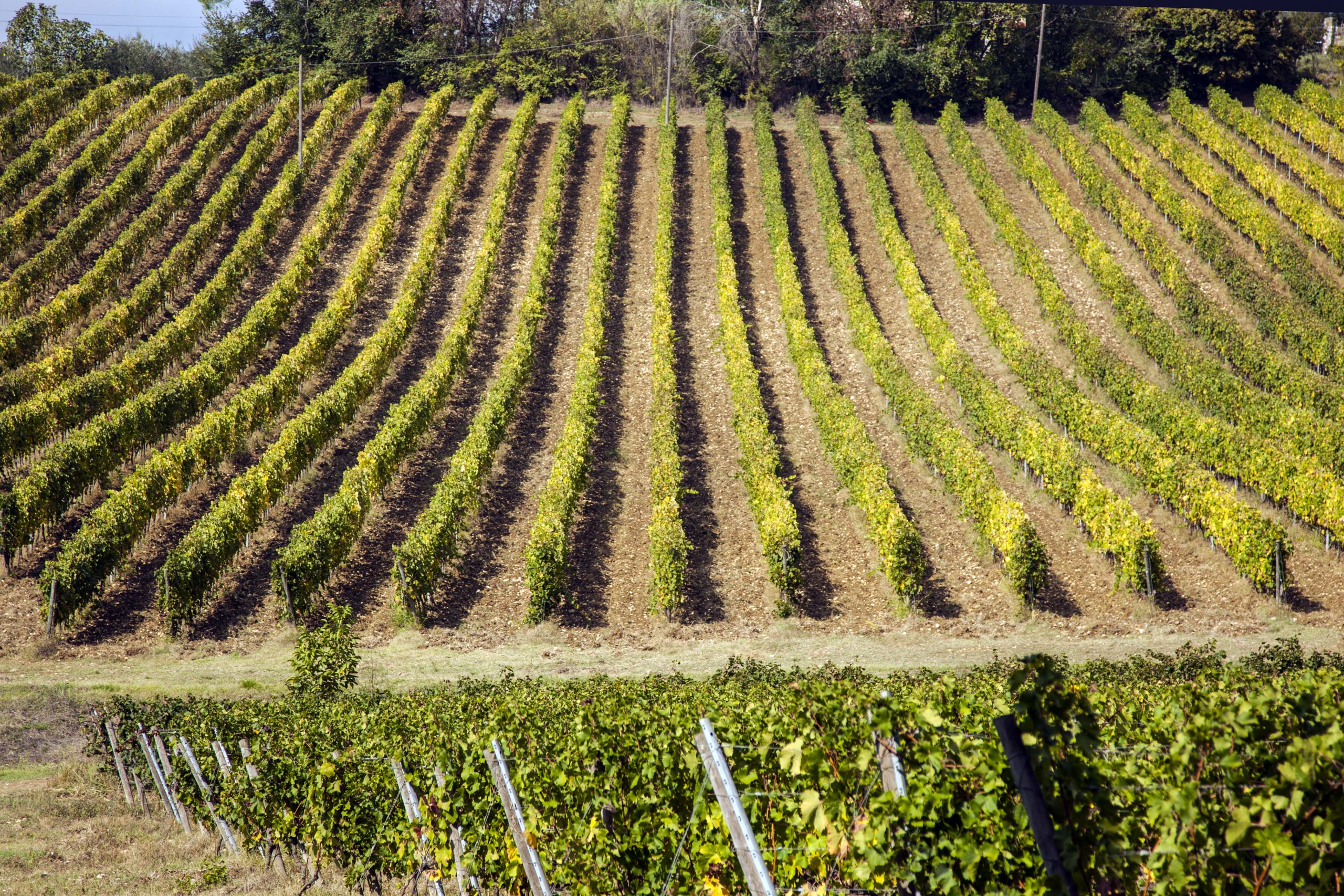
Mandrolisai lies in the Nuoro province, spanning communes such as Atzara, Meana Sardo, Ortueri, and Sorgono. Vineyards sit at 300–700 meters above sea level, where warm days and cool nights create natural balance. The soils—granite, schist, and decomposed rock—impart a distinctive minerality, while the inland location shelters vines from the harsher coastal winds, producing wines of density and freshness.
Indigenous Sardinian Grape Varieties
Bovale Sardo (Muristellu)
The soul of Mandrolisai. This native grape is bold, deeply pigmented, and structured, bringing tannins and aging potential.
Cannonau
Sardinia’s flagship grape (known elsewhere as Grenache) contributes warmth, red berry fruit, and spice to the blend.
Monica
A softer variety that balances Bovale’s power, adding approachable tannins and floral notes.
The DOC requires blends with 35–60% Bovale Sardo, alongside Cannonau and Monica in significant proportions.
Mandrolisai Wine Styles and Aging
Mandrolisai DOC wines are predominantly red, though rosato styles exist. The appellation recognizes:
- Mandrolisai Rosso – Aged at least 2 years
- Mandrolisai Superiore – Minimum 2 years, with at least 1 year in wood, higher alcohol, and more concentration
- Mandrolisai Rosato – Rare, fresh, and vibrant, but less common
These wines are built to age gracefully, with top bottles evolving for a decade or more.
How Mandrolisai Compares to Other Sardinian DOCs
- Cannonau di Sardegna DOC – More widely known, often softer and fruitier
- Carignano del Sulcis DOC – Coastal and Mediterranean, with saline freshness
- Mandrolisai DOC – Distinct for its Bovale Sardo dominance, producing earthier, more structured wines
Key Facts at a Glance
- DOC established: 1981
- Province: Nuoro (central Sardinia)
- Main grapes: Bovale Sardo (Muristellu), Cannonau, Monica
- Styles: Rosso, Superiore, Rosato
- Altitude: 300–700m
- Aging potential: Up to 10+ years
Tasting Notes
Expect wines that are dark ruby in color, with aromas of blackberry, plum, Mediterranean herbs, wild fennel, and leather. On the palate, Mandrolisai is structured, savory, and persistent, with fine tannins and a balance of spice and minerality. The Superiore versions often show notes of smoke, dried herbs, and balsamic richness.
Sardinian Wine and Food Pairings
Mandrolisai shines alongside hearty Sardinian fare:
- Porceddu (roast suckling pig)
- Wild boar ragù
- Pecorino Sardo cheese
- Malloreddus alla Campidanese (Sardinian gnocchi with sausage)
For a surprising twist, try Mandrolisai with aged lamb dishes or earthy mushroom risottos.
Where to Find Rare Sardinian Wines
Mandrolisai remains rare outside Italy but can be sourced through:
- Specialist Italian wine importers (check retailers like Wine.com, Eataly, or Sardinian-focused shops)
- Wine auctions and collector sets featuring indigenous Italian wines
- Sardinian wine tours, where local cooperatives like Cantina di Atzara or Fradiles showcase their bottles
Pricing typically ranges $25–$50 USD for standard bottles, with Superiore versions higher.
FAQ on Mandrolisai DOC
Is Mandrolisai similar to Cannonau?
It shares Cannonau in the blend, but Mandrolisai’s Bovale Sardo gives it more structure and aging potential.
How long can Mandrolisai age?
Superiore bottlings can age 8–12 years.
Is Mandrolisai available in the U.S.?
Yes, but only through niche importers or specialty shops.
Fun Facts & Cultural Notes
- Mandrolisai is sometimes called “the shepherds’ wine”, as it was historically consumed by Sardinia’s inland pastoral communities.
- The grape Bovale Sardo is genetically distinct from Spain’s Bovale (Carignan), proving Sardinia’s unique viticultural heritage.
- Mandrolisai vineyards are often century-old bush vines, hand-tended on steep hillsides.
Have you ever tried a Sardinian wine beyond Cannonau? Share your experience—or your curiosity—about Mandrolisai in the comments. And if you’re planning a trip to Sardinia, don’t miss our guide to the island’s most authentic wine tours.
Have fun to learn more about Italian Wines and Spirits! Explore also the non-alcoholic beverages
Send us an email if you want to suggest edits, or if you are looking for more info, at
cheers@drinkitalian.com
If you are in the mood for a good book, you can try:
– The Modern History of Italian Wine by Walter Filipputti
– Hidden Gems of Italy: An Insider’s Secret Formula To Find Top-Class Italian Wines At Value Prices And Taste La Dolce Vita by Tony Margiotta
Additionally, you can discover the other wines from sardinia.