Table of Contents
What is Grignolino d’Asti DOC?
Grignolino d’Asti DOC is one of Piedmont’s most distinctive red wines, made primarily from the ancient Grignolino grape (90–100%) with a touch of Freisa permitted (up to 10%). Pale ruby in color yet surprisingly tannic, it is dry, elegant, and perfumed—offering a unique counterpoint to the richer, more famous reds like Barolo and Barbaresco.
Grignolino’s story begins in medieval Piedmont, where it was once as valued as Barolo. The name comes from the Piedmontese word grignole, meaning “many pips,” which explains its tannic bite despite its delicate hue. Known historically under names like Arlandino and Barbesino, it has been cultivated since at least the 13th century, with documented mentions in the 16th century as a wine of refinement enjoyed by the Savoy court.
Where It’s Made: Geography & Terroir
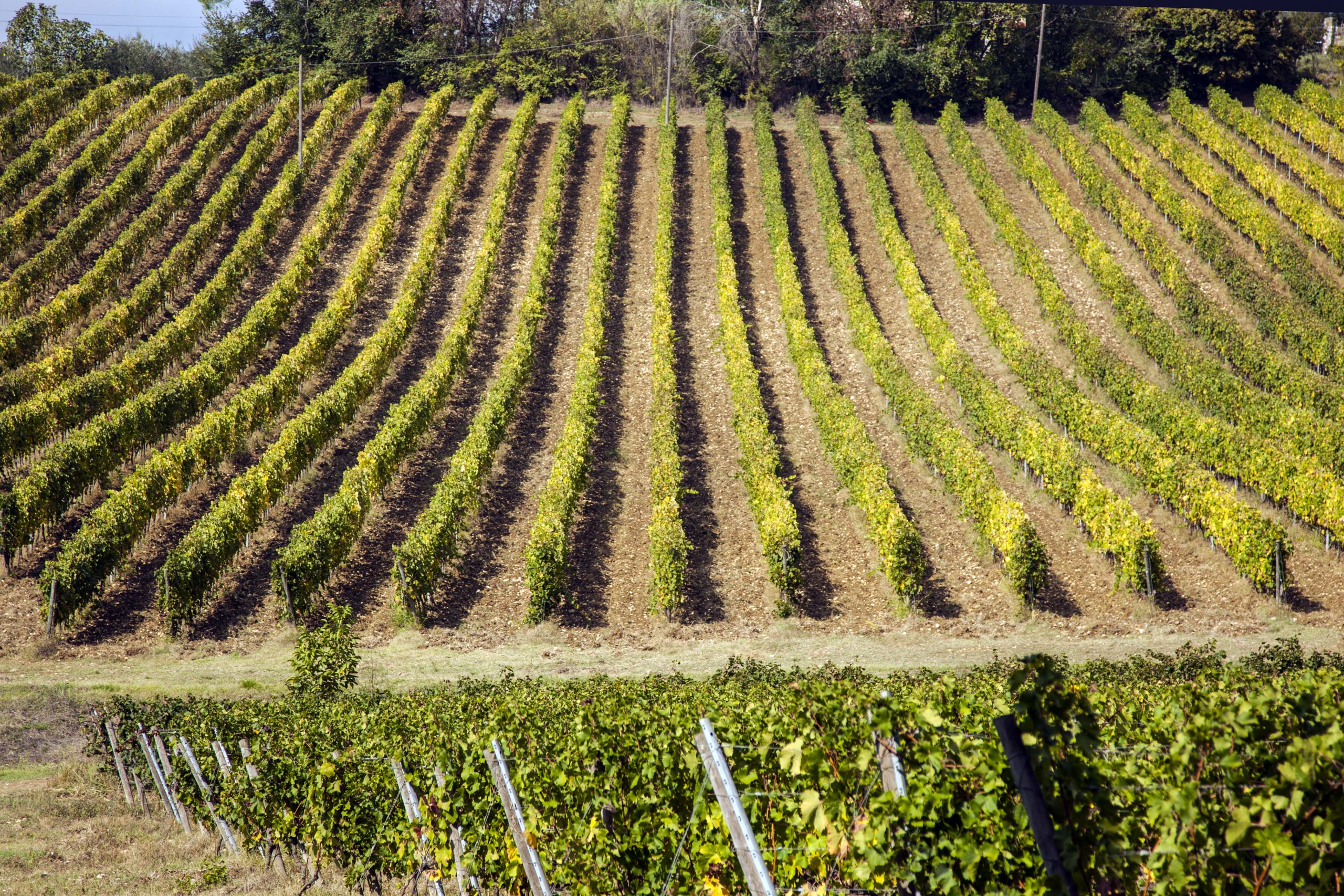
The Grignolino d’Asti DOC covers 36 municipalities in the province of Asti, within the rolling hills of Monferrato—a UNESCO World Heritage vineyard landscape. The area enjoys a temperate continental climate, with hot summers, cold winters, and large day–night temperature swings, ideal for preserving acidity. Soils are mostly clay-limestone with streaks of sand and iron, contributing to the wine’s mineral backbone and pale ruby brilliance.
The Grape
Grignolino is thin-skinned but seed-rich, producing lightly pigmented wines with remarkable tannic structure. Its aromatic profile leans toward rose petals, wild strawberries, and white pepper. Modern winemakers favor gentle extraction and stainless-steel fermentation to maintain freshness and temper its natural tannins.
Winemaking & DOC Regulations
Recognized as a DOC in 1973, regulations require:
- Grapes: 90–100% Grignolino, up to 10% Freisa
- Minimum Alcohol: 11%
- Aging: No minimum, but often released young to preserve freshness
- Style: Dry, light-bodied, pale ruby with orange reflections as it ages
Fermentation is typically brief to avoid over-extraction, with most wines aged in stainless steel or cement tanks.
Key Facts at a Glance
| Attribute | Details |
| Wine Type | Dry red, light-bodied |
| Primary Grape | Grignolino (90–100%) |
| Secondary Grape | Freisa (max 10%) |
| Color | Pale ruby, aging to orange |
| Alcohol | 11–13% |
| Best Drinking Window | 2–4 years |
| Serving Temp | 16–18 °C (slightly chilled) |
| Region | Asti, Piedmont |
| DOC Status | Since 1973 |
Tasting Notes
Appearance: Pale ruby with glints of garnet.
Nose: Rose, geranium, wild strawberry, cranberry, white pepper, and clove.
Palate: Light-bodied yet firm, with high acidity, fine tannins, and a subtly bitter almond finish.
Finish: Clean, floral, and slightly spicy.
Serving & Pairing
Serve slightly chilled at 16–18 °C in medium tulip glasses. Pair with:
- Vitello tonnato (veal with tuna sauce)
- Agnolotti del plin (meat-filled pasta)
- Frittata with herbs
- Lightly grilled white meats
- Tomato-based seafood pasta
Where to Buy & Pricing
Expect prices between $18–$25 for quality bottles. Recommended producers:
- Franco Roero – classic, aromatic style
- Crotin “San Patelu” – organic, terroir-driven
- Gianni Doglia – fresh and floral
Available from Italian-focused importers, specialist wine retailers, and online platforms like Eataly, Moore Brothers, and Wine.com
FAQ on Grignolino d’Asti DOC
Q: Is Grignolino d’Asti sweet or dry?
A: It is always dry, with lively acidity.
Q: How does it compare to Pinot Noir?
A: Similar lightness in body and color, but with firmer tannins and a spicier profile.
Q: Best Grignolino d’Asti producers?
A: Franco Roero, Crotin, Gianni Doglia, and Tenuta Santa Caterina.Q: How long can I age it?
A: Best enjoyed within 2–4 years, though top examples can last slightly longer.
Fun Facts & Cultural Notes
- Once rivaled Barolo in price during medieval times.
- The annual Festa del Grignolino in Portacomaro celebrates the grape’s heritage.
- Its pale ruby color has inspired local poets and painters.
Have fun to learn more about Italian Wines and Spirits! Explore also the non-alcoholic beverages
Send us an email if you want to suggest edits, or if you are looking for more info, at
cheers@drinkitalian.com
If you are in the mood for a good book, you can try:
– The Modern History of Italian Wine by Walter Filipputti
– Hidden Gems of Italy: An Insider’s Secret Formula To Find Top-Class Italian Wines At Value Prices And Taste La Dolce Vita by Tony Margiotta
Additionally, you can discover the other wines from Piedmont.